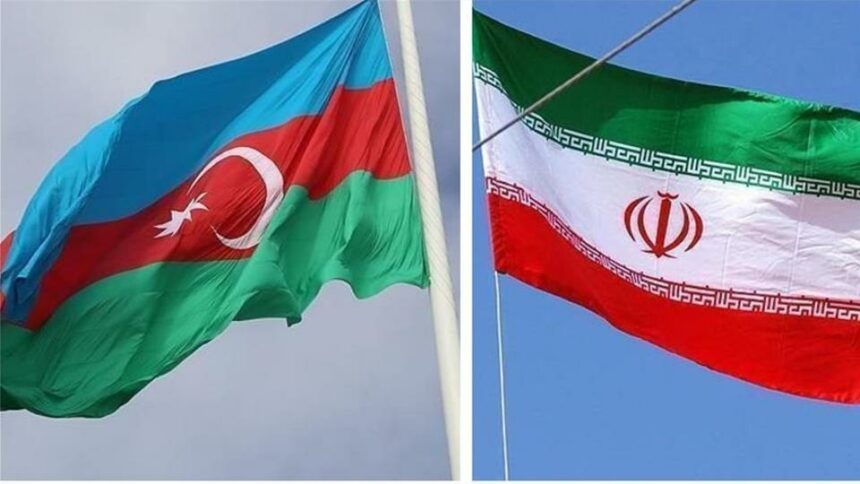
The ongoing US–Israeli–Iranian war is increasingly showing a tendency to expand beyond its initial zone, and in a number of cases the risk of involving other countries is shaped not only by the logic of confrontation but also by Iran’s own actions, which are heightening tensions on the periphery of the conflict. Against this backdrop, the Caspian region—traditionally viewed as a relatively stable space—is becoming particularly sensitive, as it is now more frequently drawn into the broader context of regional confrontation.
Israel’s strikes on Iranian naval vessels and infrastructure in the Caspian, after which the Israeli side claimed the effective destruction of Iran’s fleet in the region, marked an important turning point. These events not only increased military pressure on Tehran but also revived long-standing suspicions within the Iranian leadership about the possible use of Azerbaijani territory for operations against Iran.
In this context, and immediately following a meeting of foreign ministers of Islamic countries in Riyadh—where approaches to the situation around Iran were discussed—Azerbaijan’s Foreign Minister Jeyhun Bayramov held a phone call on March 23 with his Iranian counterpart Seyyed Abbas Araghchi. According to official information, the sides discussed de-escalation issues and separately emphasized the need to ensure security in the Caspian. The very fact that the Caspian dimension was singled out suggests that the region has become a distinct source of concern requiring diplomatic coordination.
It should be noted that Tehran has for years consistently advanced the narrative that Israel may use Azerbaijani territory for intelligence activities and operations against Iran. This line is evident both in diplomatic statements and in the rhetoric of military structures, and it tends to intensify during periods of escalation.
This became particularly evident at the outset of the current conflict, when, following incidents involving Iranian drone strikes on Nakhchivan International Airport and Baku’s subsequent strong response, representatives of the Iranian military command—including those linked to the Khatam al-Anbiya headquarters—issued a provocative statement calling on Azerbaijan to “remove the Zionists from its territory.” In essence, such statements were openly confrontational and reflected entrenched fears in Tehran about the alleged presence of Israeli military bases in Azerbaijan threatening the interests of the Islamic Republic.
Importantly, this rhetoric has deeper roots. As early as the beginning of the 2020s, amid the active development of military-technical cooperation between Azerbaijan and Israel, Iranian officials emphasized the “inadmissibility of using the territories of neighboring states as a staging ground.” However, no concrete facts or verified evidence have ever been presented to support these claims.
Azerbaijan, for its part, consistently rejects such accusations and emphasizes that its territory is not used against neighboring states. Moreover, Baku has demanded explanations from Tehran regarding the drone attacks on Nakhchivan International Airport and is awaiting the results of the relevant investigation.
As a result, the situation around the Caspian direction remains tense but controlled. At the same time, Baku is signaling that any attempts at coercion or escalation will be met with countermeasures. If necessary, this response could be firm and asymmetric—taking into account both the country’s military capabilities and its strategic position in the region. This includes not only direct responses but also a broader set of instruments, including political, economic, and infrastructure levers capable of imposing additional costs on Iran.
For this reason, Azerbaijan’s position is effectively built around a deterrence signal: Baku is not interested in escalation but is prepared for it if necessary, and the consequences of such a scenario could prove sensitive not only for Iran but for the entire regional configuration. It is clear that Tehran understands this, preferring to maintain dialogue and manageability of the situation rather than move toward open confrontation.
Ilgar Velizade