Azerbaijan’s logistics transformation continues to gain momentum as the Middle Corridor becomes an increasingly important part of the wider Eurasian transport architecture.
The Middle East has once again entered a dangerous phase. Iran and Israel have exchanged strikes, while the political and military rhetoric on both sides has sharply intensified. Although the latest round of attacks may formally appear to have ended, the risk of a wider escalation remains high.
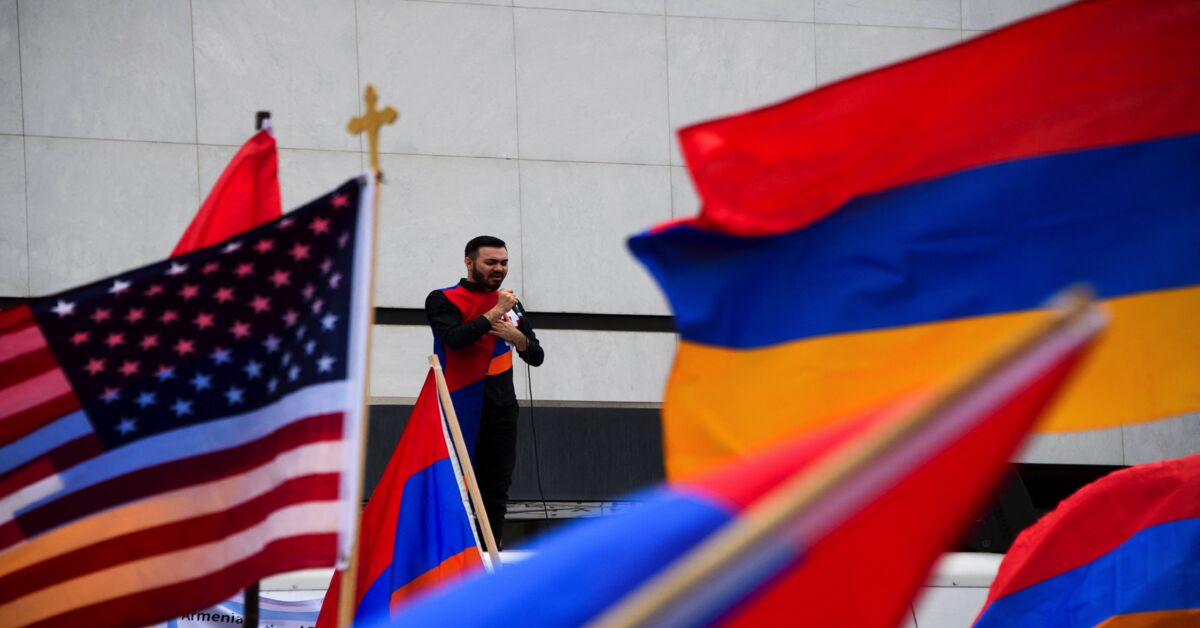
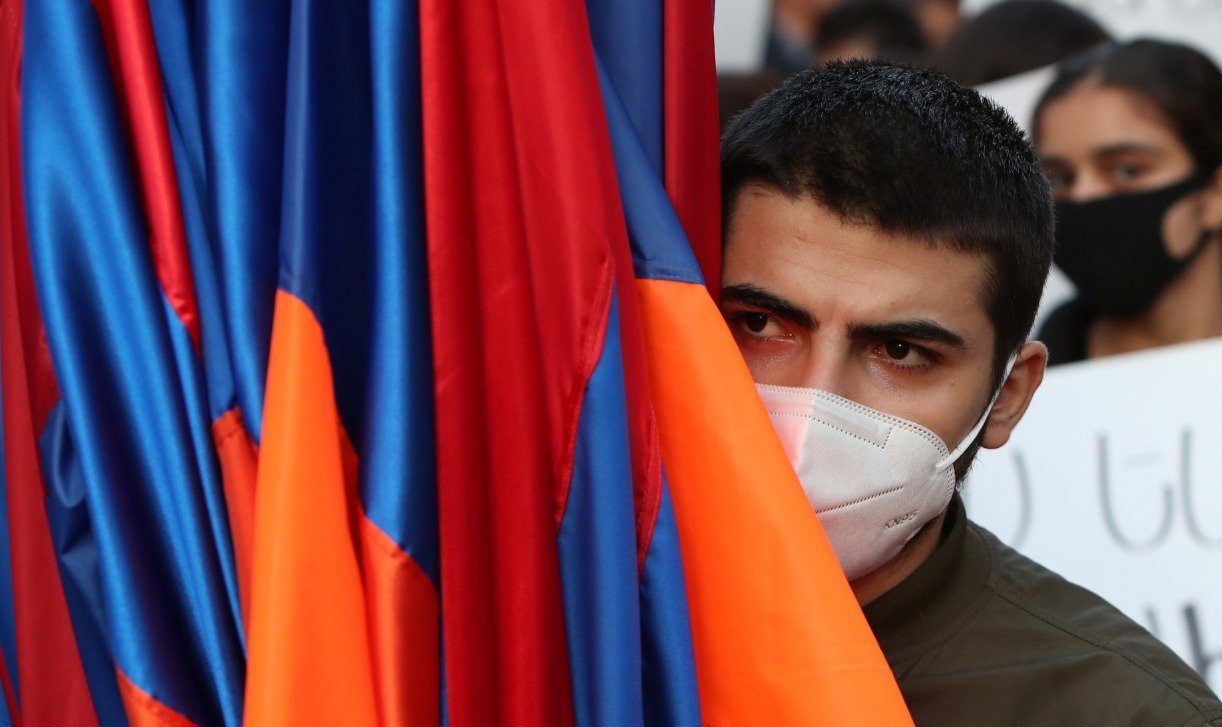
The parliamentary elections in Armenia were not merely an internal matter for that country, but an important indicator of regional change.
An election campaign can be compared to a kind of “political supermarket”. Or, more precisely, a bazaar. Each party offers the “product” it believes to be most in demand, while also being convinced that its competitors could not offer anything similar even if they wanted to.
Against the backdrop of the current ceasefire and ongoing negotiations between Tehran and Washington, Iran appears to be trying to make maximum use of this pause to form a kind of “coalition of the dissatisfied” — states that are not ready to unconditionally accept the American vision for the future of the Middle East.
A week before Armenia’s parliamentary elections, scheduled for June 7, two American outlets at once reminded Western audiences of the case of former International Criminal Court chief prosecutor Luis Moreno Ocampo and his role in the campaign against Prime Minister Nikol Pashinyan.
Following the EAEU summit held in Astana on May 29, a joint statement was issued by the presidents of Russia, Vladimir Putin; Belarus, Alexander Lukashenko; Kazakhstan, Kassym-Jomart Tokayev; and Kyrgyzstan, Sadyr Japarov, regarding the situation surrounding Armenia’s aspiration to integrate with the European Union.
The Russian media cesspit Tsargrad, which is blocked in Azerbaijan, has produced yet another Telegram piece in its death throes, titled: “‘We Were Deceived’: Where Did Russia Miscalculate with Armenia?”
In history, as in biology, alliances between peoples and states rarely arise by chance. They are born out of a deep convergence of strategic interests, cultural affinity and historical memory.
During his official visit to Georgia in early April this year, Azerbaijani President Ilham Aliyev stated that Tbilisi and Baku support each other’s territorial integrity, sovereignty and inviolability of borders in all international organizations.
Today, May 15, an informal summit of the heads of state of the Organization of Turkic States is taking place in the ancient city of Turkestan, Kazakhstan.
Another anti-Azerbaijani provocation has been launched in Germany.
On May 9, at the Russian Embassy in Yerevan, amid the clinking of glasses, the smell of brandy and routine toasts to the “eternal friendship of peoples,” a rather curious figure appeared: the “speaker of the parliament of Artsakh,” acting “president” of an illusory entity, Ashot Danielyan.
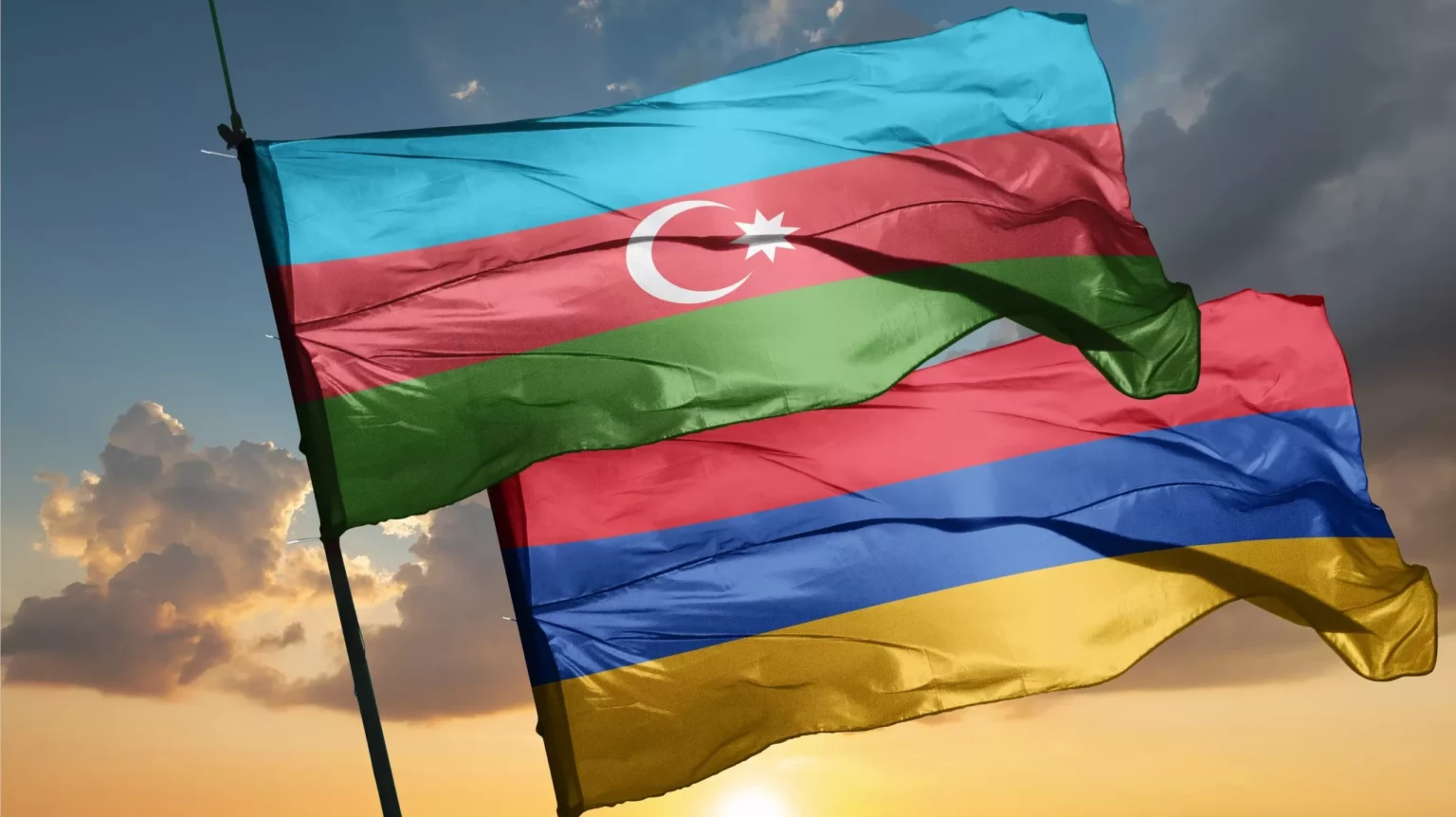
"We had no intention of destroying Armenia or depriving it of its independence," said President Ilham Aliyev during a meeting with residents in the city of Zangilan.
The situation around Iran and the Strait of Hormuz continues to develop according to an increasingly unpredictable scenario.
Official Paris has once again started talking about “Nagorno-Karabakh,” as if nothing had happened in recent years.
In late April and early May, Azerbaijan once again became a focal point for visits by senior representatives of the European political establishment.
Pragmatism versus declarations — it is precisely in this logic that the gap between the rhetoric of European institutions and the real policy of key EU states in the South Caucasus is becoming increasingly visible today.
Russia’s contemporary policy in the Caucasus is often described through the language of security, peacekeeping and regional stability. Yet its deeper roots lie in an older imperial habit: treating the region as a strategic frontier to be managed, reorganized and kept within Moscow’s sphere of influence.
Former UN International Court of Justice prosecutor Luis Ocampo threatens pro-Western Armenian Prime Minister Nikol Pashinyan with coup.
In recent years, European politics has increasingly revealed a troubling tendency: instead of exerting pressure on the aggressor, efforts are often redirected toward those in a more vulnerable position.
The visit of Czech Prime Minister Andrej Babiš to Azerbaijan marks a strategic reset in bilateral relations after years of limited high-level engagement. It reflects shifting European energy priorities, expanding industrial and defense cooperation, and a broader transition toward long-term economic integration, diversification, and joint projects beyond traditional oil-based trade frameworks.
There has recently been a lot of interest in the Middle Corridor’s growing importance as a key transit route connecting European and Asian markets for goods, energy and the movement of people.
European parliamentary resolutions targeting Azerbaijan have triggered a strong diplomatic response from Baku, raising concerns over sovereignty, territorial integrity, and external interference in the peace process with Armenia. The timing, coinciding with EU negotiations, suggests potential political pressure, while highlighting broader tensions around post-conflict realities and competing narratives in the South Caucasus.