
Now Reading: Peace between Azerbaijan and Armenia cannot be rewritten by outside commentators
-
01
Peace between Azerbaijan and Armenia cannot be rewritten by outside commentators

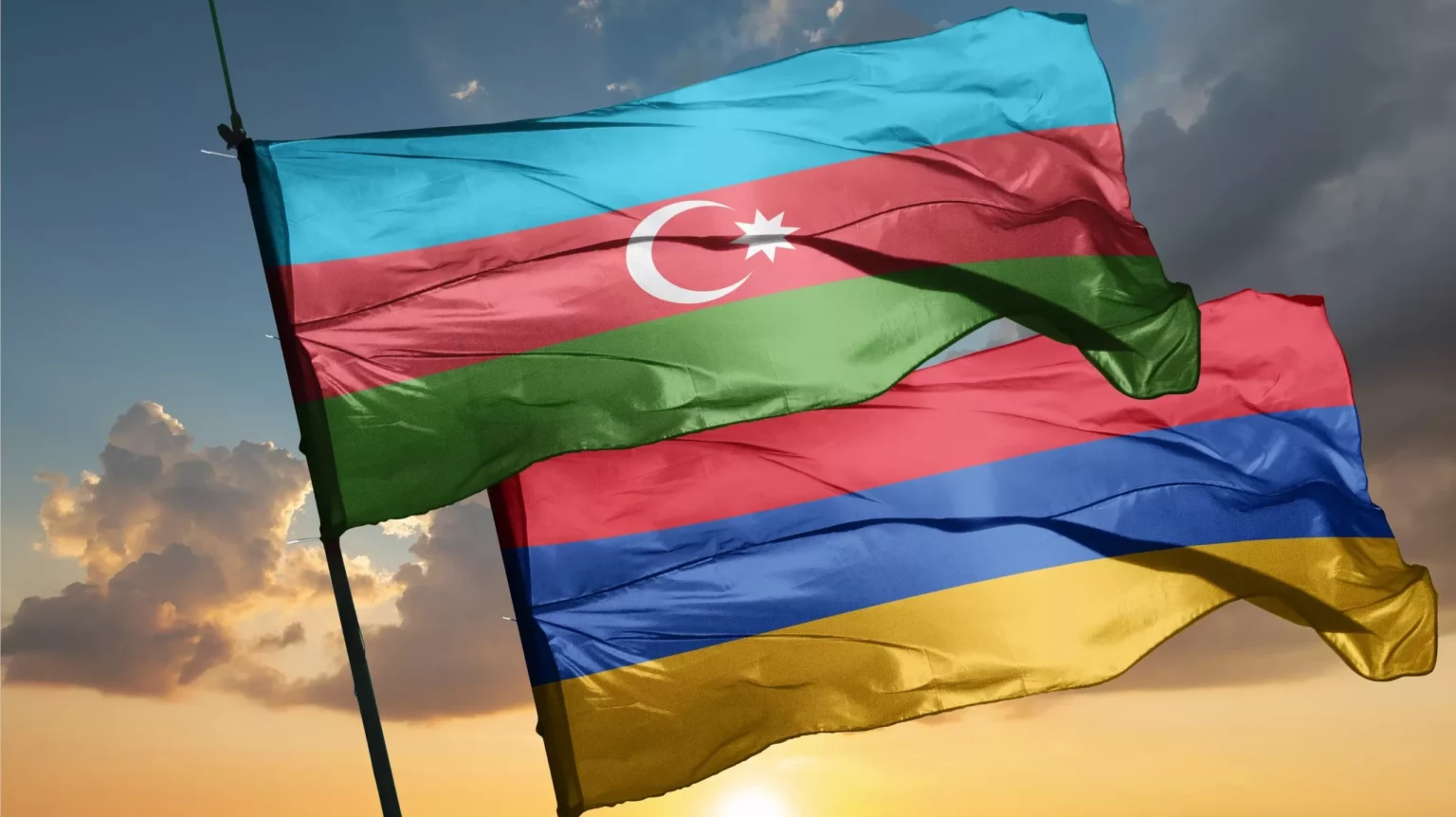
The outcome of Armenia’s parliamentary elections has created a new political reality, but it has not cancelled the logic of the peace process with Azerbaijan.
The main point is clear: the political leadership in Yerevan that accepted the peace agenda with Baku has remained in power. This matters, because the process between Azerbaijan and Armenia is not a collection of random statements or diplomatic improvisations. It is a sequence of agreed steps, and that sequence cannot be ignored simply because some external actors now want a faster or more convenient outcome.
One of the key issues remains Armenia’s constitution. As long as territorial claims against Azerbaijan remain embedded in Armenia’s constitutional and political framework, the final peace agreement cannot rest on a fully stable foundation. This is why a constitutional referendum in Armenia is not a secondary matter, but an essential part of the road toward lasting peace.
The ruling party in Armenia may not currently have an easy parliamentary path to launching such a referendum. But political difficulty is not the same as political impossibility. If Yerevan is serious about closing the chapter of conflict, it will have to find a legal and political way to remove the last institutional obstacles to peace.
Prime Minister Nikol Pashinyan himself has spoken about the need for a new constitution that would mark the end of the “Karabakh movement”. That statement created expectations. Now those expectations must be translated into action.
Azerbaijan has acted with restraint and consistency throughout this period. Even during Armenia’s election campaign, Baku avoided steps that could damage the atmosphere of negotiations and continued to follow the peace agenda in a measured way.
That is why the sudden wave of advice from certain European politicians, journalists and experts looks both premature and inappropriate. As soon as the Armenian election results became clear, some began arguing that a referendum was impossible and that Azerbaijan should simply sign a peace agreement without waiting for constitutional changes in Armenia.
This approach is not helpful. It is also not serious.
The peace process is a bilateral matter between Azerbaijan and Armenia. External actors may support it, facilitate dialogue or encourage progress. But they do not have the right to rewrite the sequence agreed by the two sides. They cannot decide what Azerbaijan should accept, when it should accept it, or which security concerns it should set aside.
Baku has already seen enough of such advice in recent years. From 2021 to 2024, many external commentators misunderstood the region, underestimated Azerbaijan’s position and produced recommendations that quickly became irrelevant. There is no reason to repeat the same mistakes again.
Even more damaging are calls to pressure Azerbaijan or President Ilham Aliyev. This is a dead-end approach. Pressure on Baku has repeatedly failed to produce the results its authors expected. On the contrary, it usually creates unnecessary tension and weakens the very negotiating environment that has already produced real progress.
The most responsible thing outside actors can do is not to lecture Azerbaijan, but to support the implementation of what has already been agreed.
The phrase “window of opportunity” is now being used frequently. But those who repeat it often miss the main point: this window was not opened by Brussels, Washington, Moscow or Tehran. It was opened by Baku and Yerevan. Its future also depends primarily on them.
The European Union, the United States, Russia and Iran may influence the regional atmosphere. They may help the peace process or try to complicate it. But they cannot replace Azerbaijan and Armenia as the two direct parties to the conflict and the two countries responsible for the final agreement.
The Armenian elections have not destroyed the peace process. They have simply created a new test for it.
That test can be passed only through direct dialogue, respect for previous understandings and implementation of the agreed sequence of steps. This includes the constitutional referendum in Armenia.
Peace cannot be built on shortcuts. It cannot be imposed from outside. And it cannot be durable if one side is expected to ignore the very issues that created the conflict in the first place.
For the process to succeed, it must remain consistent, bilateral and politically honest.
Related Posts


Previous Post
Next Post


- Aliyev says Turkic world is emerging as a major center of influence

- Baku hosts Turkic World Week honouring landmark 1926 Turkological Congress

- EU envoy holds talks in Baku ahead of high-level engagement with South Caucasus

- Europe must not lose Azerbaijan: Oleksiy Goncharenko on the risks of confrontation between Baku and the Council of Europe

- A leader forged by patience and victory
