
Now Reading: Zangezur Corridor and the shifting geopolitics of the South Caucasus
-
01
Zangezur Corridor and the shifting geopolitics of the South Caucasus
Zangezur Corridor and the shifting geopolitics of the South Caucasus

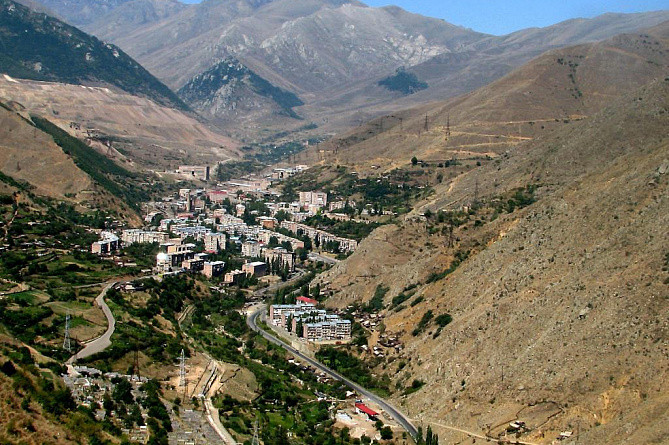
The geopolitical landscape of the South Caucasus is undergoing a significant transformation. Armenian Prime Minister Nikol Pashinyan’s recent stance on the Zangezur Corridor suggests a shift not only in Armenia’s foreign policy but also in the balance of power between regional and global players. According to reports, Pashinyan is moving closer to an agreement that would align with Azerbaijan’s long-standing demand for the corridor and, surprisingly, with the strategic interests of the United States.
The Zangezur Corridor refers to a proposed transportation and trade route cutting across Armenia’s Syunik Province. It aims to link mainland Azerbaijan with its autonomous Nakhijevan exclave, bypassing Armenia’s central territory. This connection would provide a direct land route from Azerbaijan to Turkey and further westward to Europe.
The concept of the corridor gained momentum after the 2020 Second Karabakh War, which ended with Azerbaijan regaining significant territories from Armenian control. As part of the ceasefire agreement brokered by Russia, the idea of reopening regional transportation routes was introduced. While Baku considers the Zangezur Corridor a nonnegotiable right, Armenia has long resisted it, fearing a loss of sovereignty.
Pashinyan’s potential shift is the result of multiple pressures. Domestically, Armenia is experiencing political fatigue and growing dissatisfaction with its current security alliance with Russia. Moscow, traditionally Armenia’s main security guarantor, has been unable or unwilling to defend Armenian interests during recent border tensions with Azerbaijan.
Experts argue that Pashinyan’s pivot toward the West is a necessity and a calculated gamble. “Armenia is increasingly aware that relying solely on Russia for security is no longer viable,” says Richard Giragosian, director of the Regional Studies Center in Yerevan. “The Zangezur Corridor, if negotiated under international guarantees, could offer Armenia both economic benefits and a new geopolitical orientation.”
The United States has recently increased its diplomatic engagement in the South Caucasus. Washington views the Zangezur Corridor as a potential means to foster economic connectivity, stabilize the region and limit Russia’s influence. The European Union, too, has expressed interest in supporting infrastructure development and trade routes that bypass Russian-controlled territories.
By aligning with U.S. interests, Pashinyan is sending a clear signal: Armenia is ready to diversify its foreign policy and reduce its dependence on Moscow. This shift, however, comes with risks, as it could provoke retaliation from Russia, which has a military presence in Armenia through its peacekeeping forces and military bases.
Russia’s preoccupation with its war in Ukraine has weakened its traditional dominance in the South Caucasus. The Kremlin’s failure to intervene in Armenia’s recent border disputes with Azerbaijan has caused frustration in Yerevan. Meanwhile, Azerbaijan has grown stronger militarily and diplomatically, often bypassing Moscow in its dealings with Western powers and regional actors like Turkey.
“Russia is no longer the unchallenged power in the Caucasus,” says Thomas de Waal, a senior fellow at Carnegie Europe. “The Zangezur Corridor, especially if supported by the West, would further marginalize Moscow’s influence in the region.”
Azerbaijani President Ilham Aliyev has repeatedly stated that the Zangezur Corridor is a historical and strategic necessity. For Baku, it would complete a vision of uniting all Azerbaijani territories and opening a direct economic lifeline to Turkey.
Ankara sees the corridor as part of its “Middle Corridor” strategy, connecting Europe to Asia through the South Caucasus and Central Asia, and bypassing Russia and Iran. Tehran is less enthusiastic. Iran fears that the corridor might weaken its role as a key transit country and shift trade routes away from its territory. Iranian officials have already voiced concerns over any arrangement that might alter the status quo near its northern borders.
The European Union supports any initiatives that promote regional stability and trade, but has so far refrained from direct involvement in negotiations. Despite potential economic gains, many Armenians view the corridor with suspicion. Nationalist groups argue that it undermines Armenia’s sovereignty and gives Azerbaijan too much leverage. Protests in Yerevan have already erupted in response to Pashinyan’s perceived concessions to Baku.
“Opening the Zangezur Corridor without ironclad security guarantees could be political suicide for Pashinyan,” warns Armenian political analyst Hovsep Khurshudyan. “He needs to balance Western support with domestic legitimacy.”
For Azerbaijan, the Zangezur Corridor is not just a transportation project but a symbol of victory and regional dominance. For Armenia, it could be an economic opportunity and a political vulnerability. For the West, it represents a chance to build alternative routes that diminish Russian and Iranian influence over Eurasian trade. This makes the corridor far more than just a road or railway line—it is a geopolitical chessboard on which regional and global powers are vying for influence.
Pashinyan’s emerging stance on the Zangezur Corridor marks a defining moment in Armenia’s modern history. By aligning with the vision of Azerbaijan and the United States, Armenia’s prime minister risks alienating Russia and facing domestic backlash, but he may also pave the way for his country’s economic and political reintegration into global trade networks. The coming months will reveal whether this bold strategy will lead to peace and prosperity in the South Caucasus or whether it will ignite new tensions in a region already fraught with unresolved conflicts.
Ayoob Kara served as Israel’s minister of communications.

Related Posts


- Aliyev says Turkic world is emerging as a major center of influence

- Baku hosts Turkic World Week honouring landmark 1926 Turkological Congress

- EU envoy holds talks in Baku ahead of high-level engagement with South Caucasus

- Europe must not lose Azerbaijan: Oleksiy Goncharenko on the risks of confrontation between Baku and the Council of Europe

- A leader forged by patience and victory
