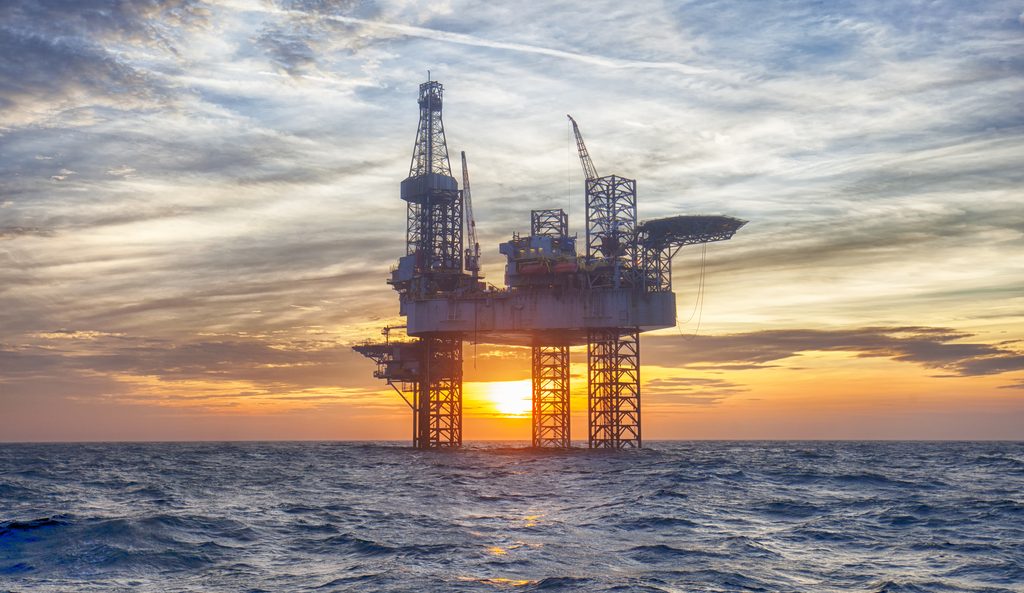
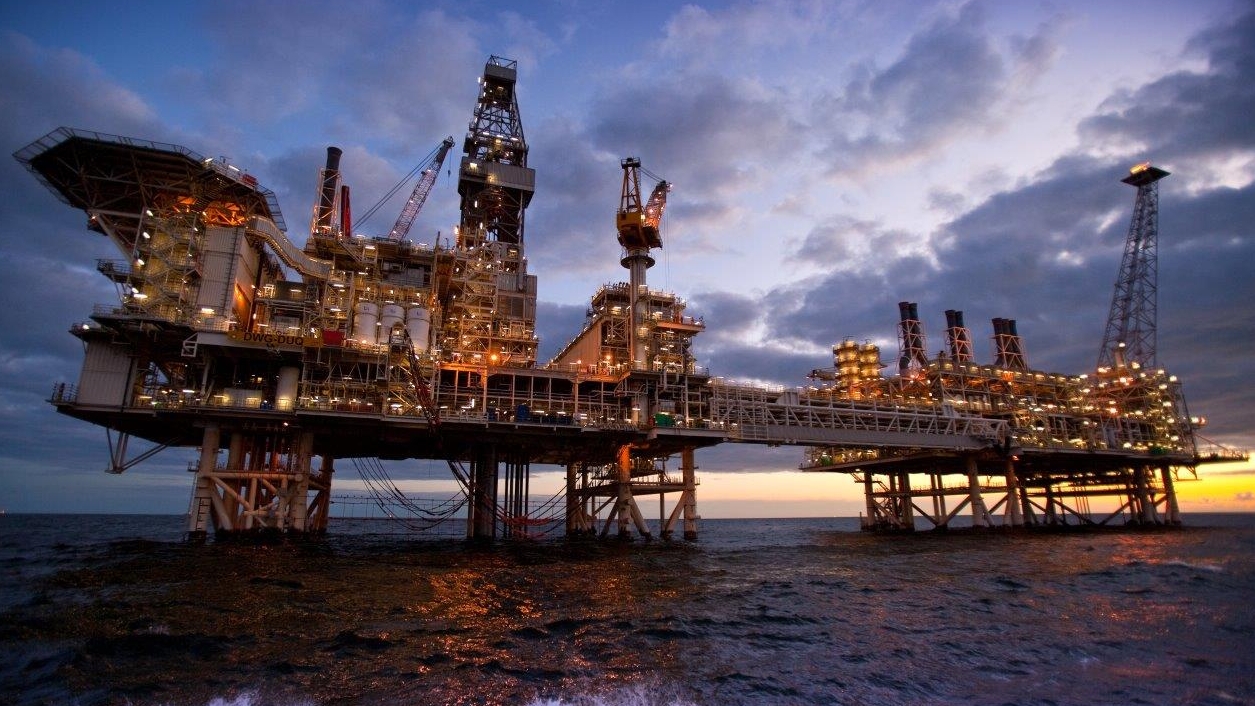
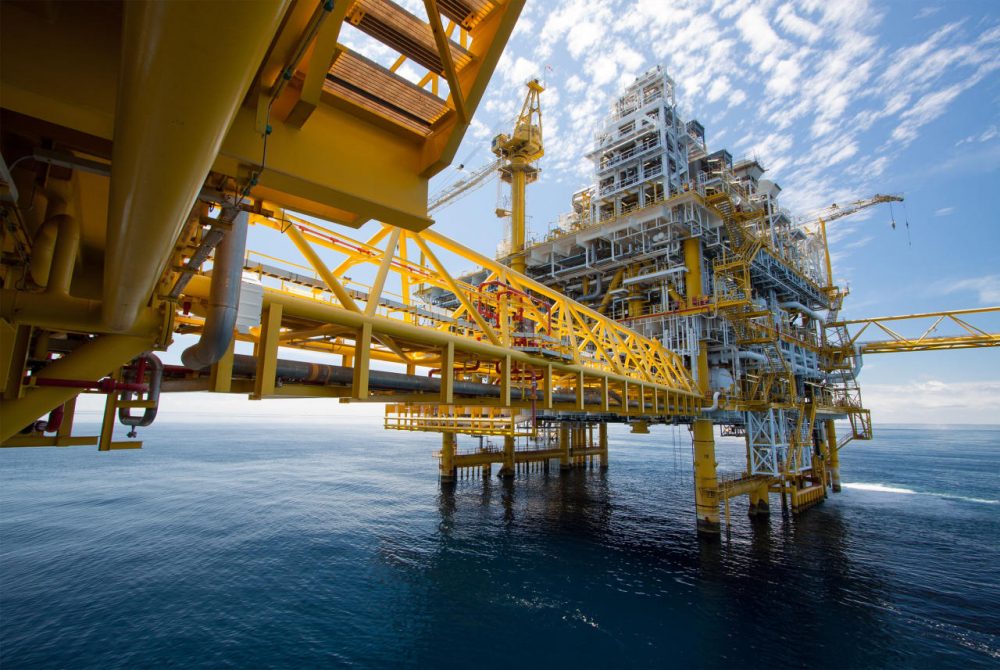
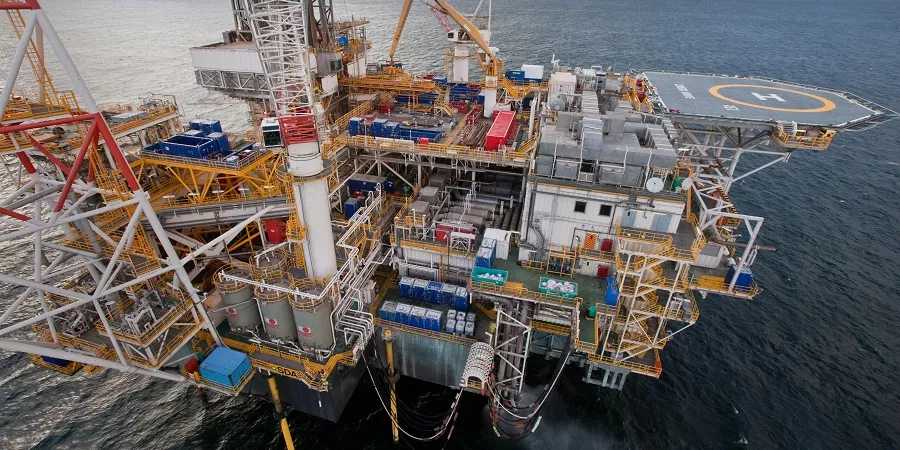
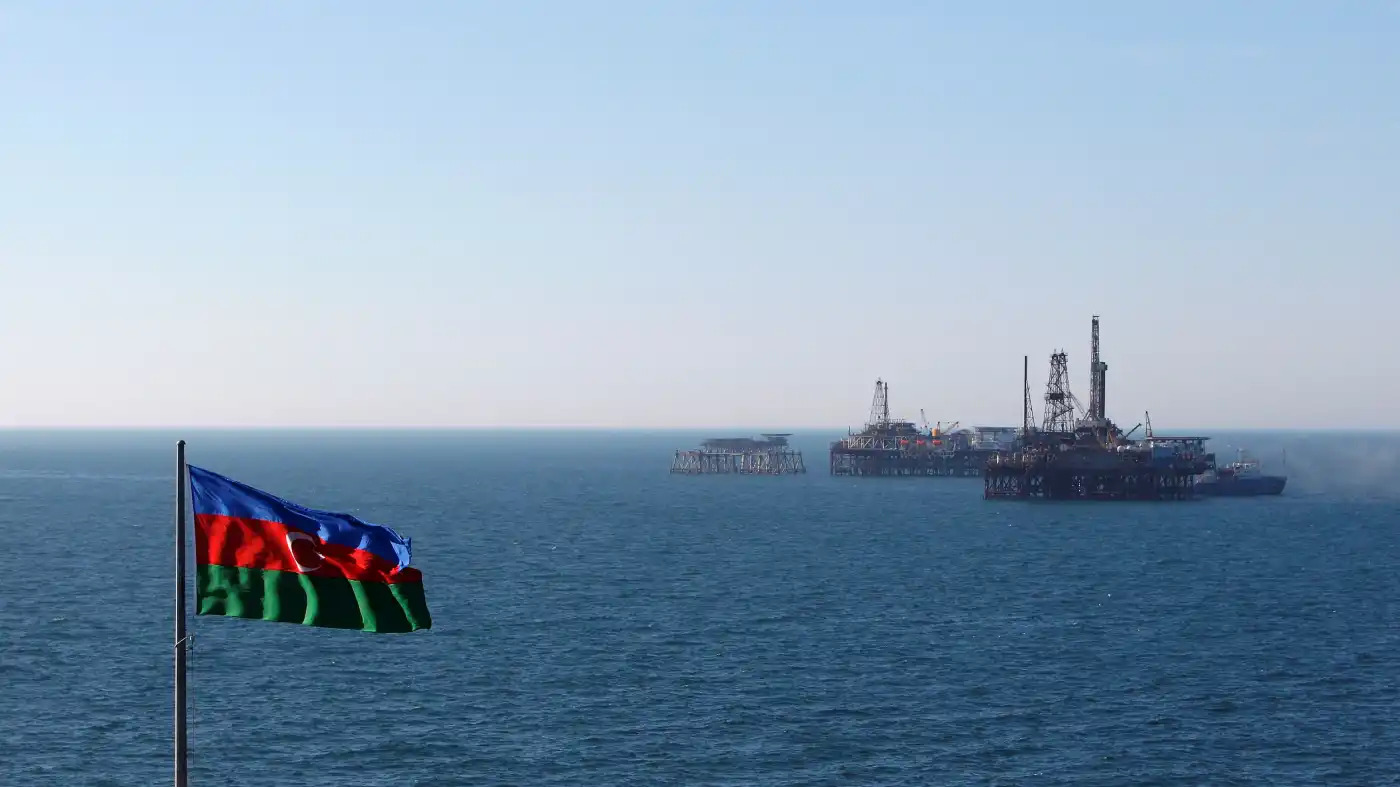
Azerbaijan said it’s been approached by potential new European natural gas buyers after prices for the fuel soared.
Turkey has signed an agreement to import natural gas from Azerbaijan to meet the surging demand.
Azerbaijan's energy minister told the Reuters news service October 14 that a new agreement was signed to deliver natural gas from the country's offshore Shah Deniz field to Turkey.
In just a couple of days, Russia’s biggest oil and gas company announced it would mark a significant footprint in Caspian gas and crude oil exploration in Azerbaijan. Lukoil has bought shares from BP and Petronas, following approval from Azeri authorities.
Azerbaijan, a Eurasian country at the border of Eastern Europe and western Asia, increased its production of natural gas by 36%, or more than 200 billion cubic feet (Bcf), between 2017 and 2019.
Azerbaijan’s Ministry of Energy and the Industry & Trade Ministry of the Czech Republic have signed an agreement on energy cooperation.
Iraq's Oil Minister Ihsan Abdul-Jabbar Ismail has visited Azerbaijan to discuss cooperation between the two countries in the field of oil and gas.
Russia's Lukoil has agreed to acquire a 25% stake in the Shallow Water Absheron Peninsula (SWAP) exploration project offshore Azerbaijan from BP, Lukoil said in a statement Sept. 29.
Iraq is interested in intensive cooperation with Azerbaijan in the oil, gas, and refining sectors, Azerbaijani media reported, referring to the statement of Iraqi Oil Minister Ihsan Abdul-Jabbar.
In spite of ascendant political ties between the two allies, the apparent temporary nature of the new agreement speaks to their differing economic priorities.
bp and its co-venturers have produced the 4 billionth barrel of oil from the Azeri-Chirag-Gunashli (ACG) field in the Caspian Sea.
A broad range of strategic, economic and cultural ties between Azerbaijan and Russia create an illusion of quite stable bilateral relations between the states.
Azerbaijan is a net energy exporter; crude oil and natural gas production and exports are central to Azerbaijan’s economy and government revenues.
Oil & natural gas bring in around 90% of Azerbaijan’s export revenues and they finance around 60% of the government budget.
The country exports gas to Georgia, Turkey and Europe for consumers in Italy, Greece and Bulgaria.
While Azerbaijan is not as large a figure in global gas as it is in oil, gas extraction is expected to continue contributing significantly to the economy in the coming decades.
The U.S. Energy Information Administration has increased its forecast for Azerbaijan's average daily oil production for 2022.
Baku's over-reliance on oil has long been acknowledged, but the Covid-19 pandemic has only served to highlight the urgent need to diversity its economy.
One of the most important consequences of the November 2020 and January 2021 joint Armenian-Azerbaijan-Russian declarations ending the latest round of fighting between Yerevan and Baku was a commitment to the reopening of transportation corridors in the South Caucasus region.
BP opened its 1st office in Baku in June 1992 and has since then contributed to Azerbaijan’s oil & gas sector through by operating projects such as, Azeri-Chirag-Gunashli, Shah Deniz, Baku-Tbilisi-Ceyhan and South Caucasus Pipeline.
Oil and natural gas bring in around 90% of Azerbaijan’s export revenues, and they finance around 60% of the government budget.
Azerbaijan exported 9.1 billion cubic meters of natural gas in the first half of the year, up 36% from a year earlier, the Energy Ministry in Baku said Saturday in an emailed statement.
Azerbaijan exported almost 14 million metric tons of crude and condensate in the first half of 2021, down 4.8% from a year earlier, the country’s Energy Ministry said in an emailed statement.
The State Oil Company of Azerbaijan Republic (SOCAR) last week said it would evaluate a floating offshore wind pilot to power upstream operations in the Caspian Sea.