
The European Union, the United Nations Development Programme (UNDP) and the State Agency on Vocational Education (SAVE) launched a campaign to promote vocational education among youth in Azerbaijan.


The European Union, the United Nations Development Programme (UNDP) and the State Agency on Vocational Education (SAVE) launched a campaign to promote vocational education among youth in Azerbaijan.

Today marks the International Day of the Disappeared to commemorate hundreds of thousands of people who are missing around the world as a result of armed conflicts, violence, migration and natural disasters.
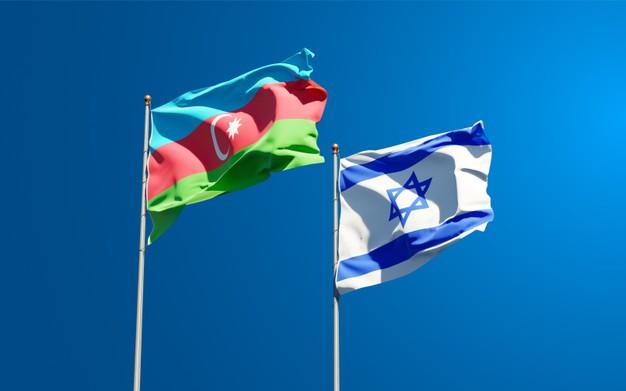
Last month, I became the first Israeli businessman to sign a memorandum of understanding with the Azerbaijan Investment Company, the sovereign investment arm of the Azeri government, on the historic occasion of the opening of the Azerbaijan Trade and Tourism Office in Tel Aviv.

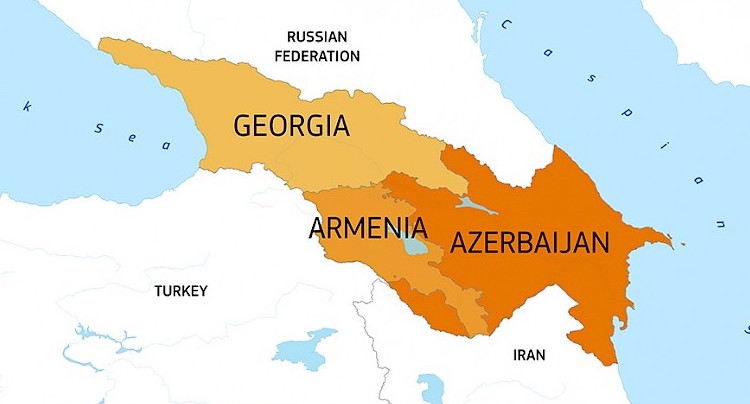
This paper covers the South Caucasus policy of Turkey after the 44-Day War be- tween Azerbaijan and Armenia in 2020. The aim of the research is to investigate the role of Turkey, which supported Azerbaijan politically and morally in the war, in the South Caucasus. This article concludes that, after this war, a new geopolitical situation has emerged in the South Caucasus region. In this new geopolitics, Turkish soldiers have been deployed, alongside those from Russia, in the Joint Monitoring Centre to observe the ceasefire in the Karabakh region of the Republic of Azerbaijan, and Turkey became a kind of guarantor of the liberated Azerbaijani territories through the Shusha Declaration signed between Turkey and Azerbaijan. Additionally, according to the trilateral statement of Azerbaijan, Armenia, and Russia that was signed on 11 January, it was decided to establish a new corridor that is planned to pass through Armenia to connect Turkey with Azerbaijan. Moreover, Turkey–Azerbaijan strategic relations have entered a new phase in terms of economic, military, and defence industry technologies. In short, after the 44-Day War, Turkey gained an advantageous position in the South Caucasus and Central Asia.
If ever there was an oxymoron, it is Russian peacekeepers. As the last three decades in Eurasia demonstrates, Moscow does not resolve conflicts; it manufactures them to its own benefit.

The 44-day war between Armenian forces and Azerbaijan brings about new debates. Azerbaijan liberated its lands that had been under Armenian occupation for about 30 years.

The current situation in Nagorno-Karabakh was the focus of a telephone conversation between Russian President Vladimir Putin and Armenian Prime Minister Nikol Pashinyan, the Kremlin press service said on Friday.

Seyed Ruhollah Latifi, spokesman for the customs, said, "According to the news received from some drivers, the entrance of the Goris-Kapan road to Armenia was blocked by the Azerbaijani forces."
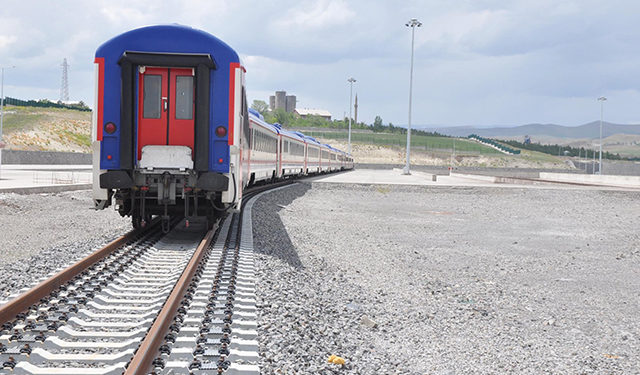
Constructing long-term peace requires genuine political will, prestige and a record of untarnished leadership. When Russia negotiated an agreement in November 2020 following the second Nagorno-Karabakh War, spirits were high for a proposed revival of connectivity and economic cooperation to decrease tensions and ultimately lead to a sustainable peace between Armenia and Azerbaijan.

Environment is one of the key areas of concern for the entire international community in view of global climate change, land desertification, and shortage of clean drinking water.

The European Union Delegation to Azerbaijan has presented the ‘European Fairy Tales’ project. As part of this social project, the Delegation translated into Azerbaijani fairy tales and legends from 27 European Union Member States.

The Azerbaijan embassy in a tweet said that Khazar Farhadov haved arrived in Islamabad and assumed his office. Farhadov has replaced Ali Fikrat oglu Alizadeh, who has been recalled by the government of Azerbaijan.

Azerbaijan has withdrawn its peacekeeping forces from Afghanistan, the country’s Defense Ministry announced on Thursday.

Nikol Pashinyan pointed out that the Azerbaijani Armed Forces had blocked a segment of the road saying that some people from the Armenian side had stabbed Azerbaijani board guards.

Another Armenian myth is crumbling before our eyes. The most economically backward state in the South Caucasus, which has isolated itself from all major economic projects successfully implemented in the region. Armenia. A country heading towards a financial crisis and living on credit. Again, Armenia. The size of its external debt has already approached 70% of its GDP.

Turkey is bolstering defense cooperation with Azerbaijan as it seeks to double down on the military success of last year’s war between Azerbaijan and Armenia.

People all around the world are already feeling the negative effects of global warming: water supplies are shrinking, extreme weather events increasing in frequency and intensity, forests burning, and coral reefs dying.

The US Department of State released a report overviewing the current human rights situation in Armenia for the period from 2019 to 2021. It was compiled from the reports published by a number of international non-governmental organizations, including Human Rights Watch (HRW), Amnesty International, Freedom House, International Federation of Human Rights (FIDH), and contains references to the US Department of State, Human Rights Report 2020, 2020 EU Annual Report on Human Rights and Democracy, World Economic Forum and the United Nations Entity for Gender Equality and the Empowerment of Women (UN Women).

The spread of the most insidious strain of coronavirus yet, the Indian Delta variant, has taken on catastrophic proportions in Azerbaijan: the number of daily new cases shot up to thousands and the number of daily new deaths to dozens. The government and public figures of the country are sounding the alarm, urging the population to get vaccinated.

After the September-November war of 2020, Azerbaijan liberated its seven occupied territories and established rule over Karabakh. A significant share of that region went under the control of Russian peacekeepers, who are said to stay for five years.
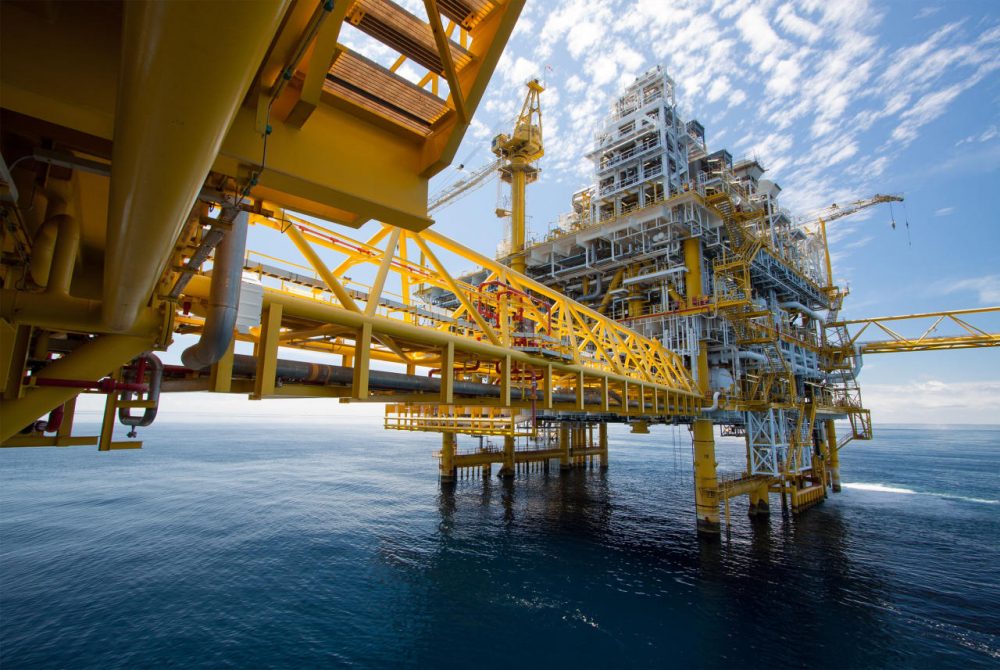
The country exports gas to Georgia, Turkey and Europe for consumers in Italy, Greece and Bulgaria.
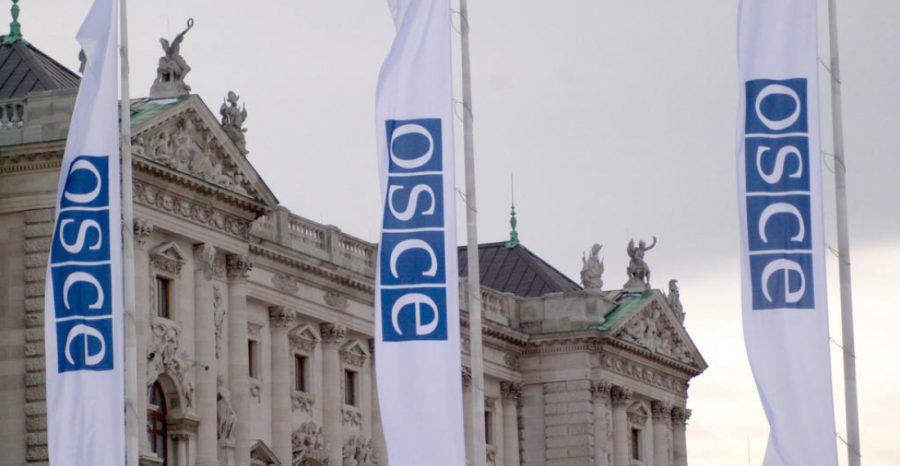
The Kavkaz Uzel news agency has surveyed the opinion of experts in Yerevan and Baku about a possible future role for the OSCE Minsk Group in talks between them.

According to the ambassador, Pakistan considers Azerbaijan a 'friendly and fraternal' country, stressing the need to further develop economic relations between Baku and Islamabad.
Turkish and Azerbaijani soldiers are on duty together in and around Kabul's Hamid Karzai International Airport, where people have been gathering to flee the country since the Taliban takeover of Afghanistan.


