
An M-346 sporting the color scheme resembling the one applied to the Turkmenistan or Azerbaijan’s jets has been spotted in Italy last week.

An M-346 sporting the color scheme resembling the one applied to the Turkmenistan or Azerbaijan’s jets has been spotted in Italy last week.
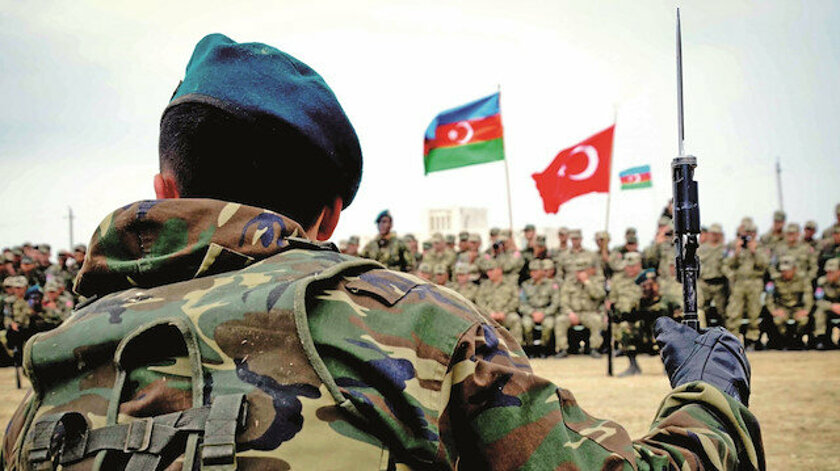
The meeting will discuss the current state of bilateral cooperation between Azerbaijan and Turkey in the security, military, military-technical, military-medical, military-educational, defense industry, and in other spheres, the ministry said.

Throughout the 1990s, the five nations sharing the Caspian Sea unanimously opposed the militarisation of what is the largest inland body of water in the world. However, the vast natural resources found within its waters have since spurred each of the littoral nations to invest huge sums in their fleets.
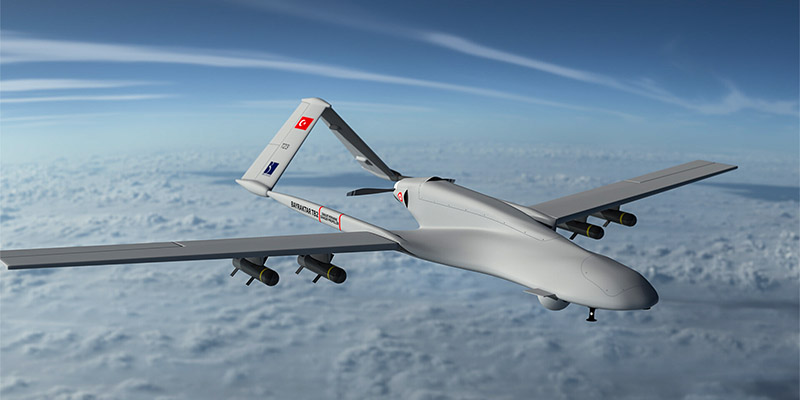
The Polish Defense Minister announced, on Saturday, that Poland will buy 24 armed drones from Turkey, and it will be the first member of NATO to buy Turkish drones from Turkey.

"After all, before Azerbaijan’s Unmanned Aerial Systems (UAS) could attack Armenian targets, they first needed to find them. They needed to electronically blind or disable their defenses."
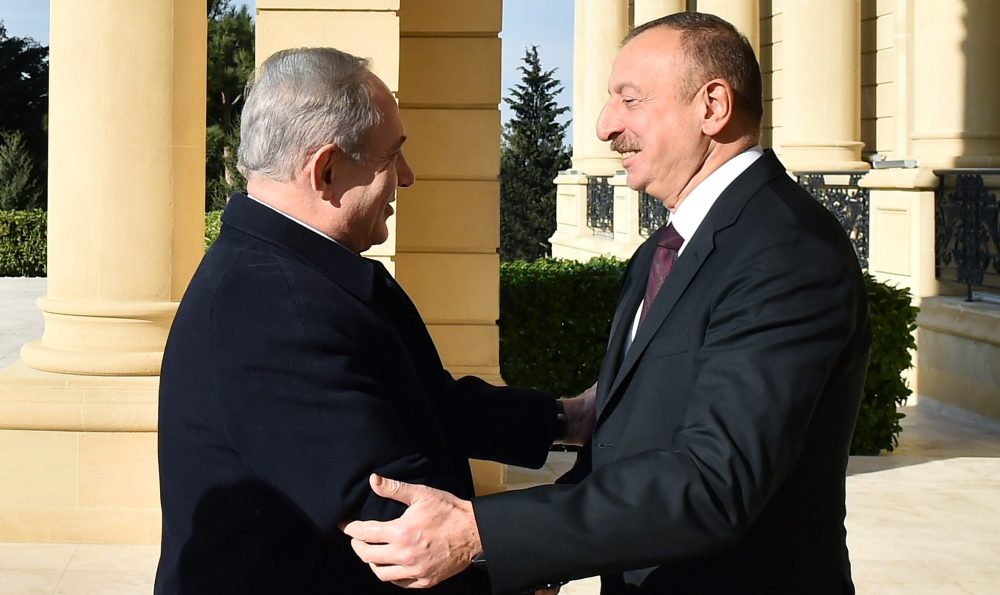
The conversation also turned to the ongoing conflict over Nagorno-Karabakh, in which Israel has expressed support for the the territorial integrity of Azerbaijan.

Armed clashes which commenced early in the morning of the 27th of September 2020 over the disputed territory of Nagorno-Karabakh have so far caused considerable human and materiel losses on both sides. The renewed clashes are an extension of the three decades long Nagorno-Karabakh conflict, and at present the short-term implications can only be guessed at.

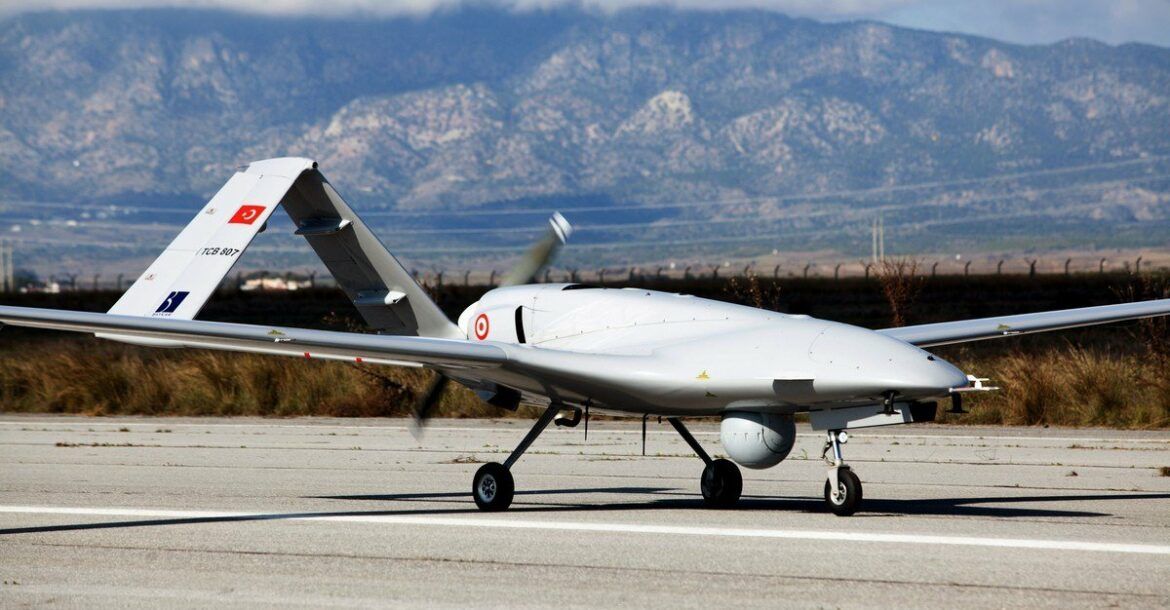
While the acquisition of significant numbers of TB2s by Ukraine and Azerbaijan has meanwhile become widely known, it is nearly not as well-established that half a dozen examples are also

Turkish industry appears to have figured out a effective way of launching fixed-wing drones from ships. The brute-simple method, which combines a winch-and-pulley system with an bow ramp, could help the Turkish navy transform its new assault ship Anadolu into the world’s first true drone aircraft carrier.

Military drone technology is developing at breakneck speed and is having a revolutionary effect on the modern battlefield. Evermore the images of the American involvement in Iraq and Afghanistan are dominated by drone strikes. In the recent Turkish-Syria and Armenia-Azerbaijan conflicts, we saw tank after hapless tank being taken out by enemy drone strikes.

If any lessons can be drawn from the 2020 Nagorno-Karabakh conflict between Armenia and Azerbaijan, they are bound to revolve around the stunning effiency of cheap but highly effective unmanned combat aerial vehicles (UCAVs) and the failure of a wide array of air defence systems, both modern and old, to stop the onslaught brought about by them.

The ceasefire between Armenia and Azerbaijan, which was announced last year, allows an important opportunity for a new page. In addition, Turkey was one of the first countries to reject and condemn the attempted coup in Armenia in February 2020.

The extensive use of drones by the US across the world, the clear advantages drawn by Azerbaijan over Armenia in their recent conflict, and numerous other examples, point to the manner in which unmanned aircraft technology can serve as a force multiplier.

A video purporting to show one of the Israeli-made Harop loitering munitions, or suicide drones, used by Azerbaijan during last year’s war with neighboring Armenia, provides some idea of their psychological effect, coupled, of course, with the pinpoint destruction that made this something of a signature weapon of the brief but bloody conflict.

Turkey, like Canada, is a member of NATO and is a key ally of Azerbaijan, whose forces regained territory after six weeks of fighting and after three decades of illegal Armenian occupation.

Restrictions were then eased, but reimposed during the Nagorno-Karabakh conflict. Canadian arms control group Project Ploughshares said air strike video released by Baku at the time indicated drones were equipped with imaging and targeting systems made by L3Harris Wescam, Canada-based unit of L3Harris Technologies Inc. Turkey's military exports to its ally Azerbaijan jumped six-fold last year.

Everything’s coming up roses for Turkey’s thriving drone industry, but a cash-strapped economy and technological challenges may slow further progress.

Ukraine could adopt Azerbaijan’s organization and tactics. Indeed, there are signs that transformation already is underway. The open question, of course, is to what extent Kiev will commit to drone air power—and how effectively Moscow might counter that move.

The Turkish president signed a bill on a defense industry cooperation agreement with Azerbaijan that will pave the way for the testing of jointly produced weapons and defense systems in the territories of both countries.
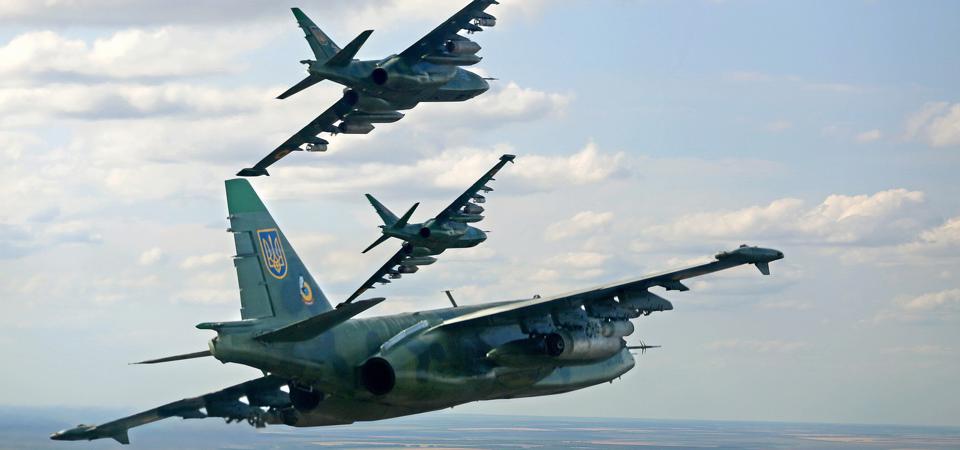
“Add to this strong electronic-warfare systems and hundreds of additional flying decoys—perhaps some equipped with towed decoys to keep enemy air-defenses busy and distract or confuse them—and that’s perfectly enough,” Cooper said. “As dramatically demonstrated in Libya, Syria and then in Azerbaijan in the last two years, the Russians simply have no means to seriously counter such a threat.”

The country has developed its own domestic drones and has used them to devastating effect in several recent military conflicts. The effectiveness of Turkey's Bayraktar TB2 drones and the Anka-S unmanned air vehicles (UAVs) was first demonstrated in Syria.
Back in the early 2010s when I first started playing with drones, I speculated in the FT that if I could own a drone, anyone could, and that this would have big implications for global politics. At that time, drone technology was largely controlled by the U.S. and Israel, but I noted that it was inevitable that it would spread widely and change the nature of interstate conflict.

That was the bloody lesson of both Russia’s 2014 invasion of Ukraine, in which scout drones pinpointed Ukrainian armored vehicles for devastating rocket barrages, and Azerbaijan’s 2020 offensive in Nagorno-Karabakh, in which armed and kamikaze drones decimated Armenian armor.

Turkish drone magnate Baykar closely follows global unmanned defense technology systems and it is working on unmanned fighter jets, the chief technology officer (CTO) of the company said Monday.


