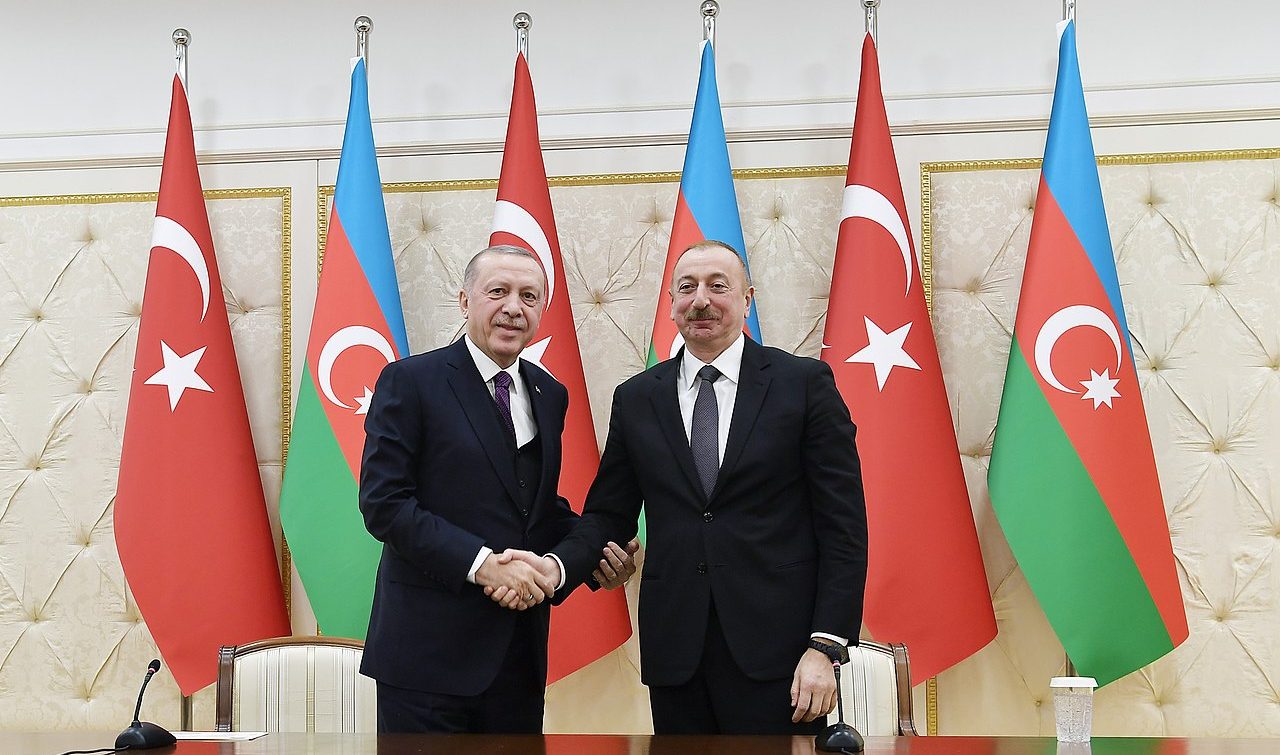
Turkey is poised to become an increasingly influential Eurasian power as Russia faces mounting international pressure and domestic turmoil.

Turkey is poised to become an increasingly influential Eurasian power as Russia faces mounting international pressure and domestic turmoil.

The first official visit of the President of Kazakhstan Kassym-Jomart Tokayev to Baku on the invitation of the President of Azerbaijan Ilham Aliyev has been a landmark event last week.
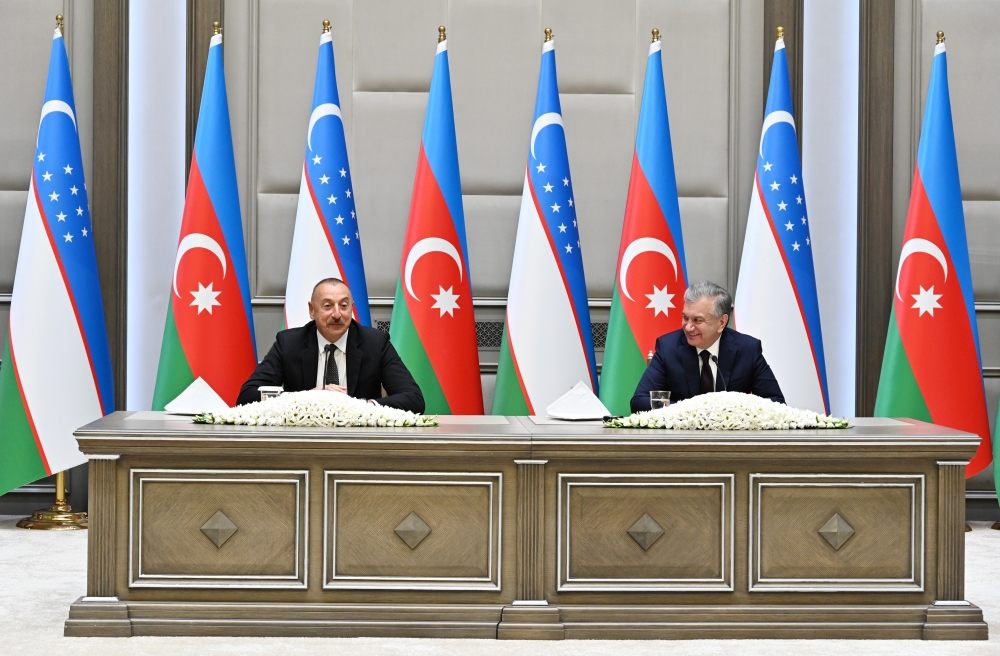
President Ilham Aliyev's visit to Uzbekistan continues, and the regional media are closely monitoring the protocol details, the statements, and the official communiqués.

Timing is everything, and sometimes you just get things right. That must be the feeling in Azerbaijan these days, where the expansion of the free-trade zone at Alat is on schedule to be completed in July.

Kazakhstan and the Caucasus nations are looking at the Trans-Caspian transportation corridor with renewed vigor given the war in Ukraine.

Azerbaijan is “geopolitically critical” to the United States, argues the 1997 book, The Grand Chessboard, by Zbigniew Brzezinski, the national security advisor to former President Jimmy Carter. Counterbalancing Russia is a primary duty of the United States, and the mere placement of Azerbaijan on the map makes it a crucial partner in that effort.

Many Russian analysts are dismissive of Turkey’s talk about the formation of a transnational cultural community called “Greater Turan.” They do not believe such a notion will really attract Azerbaijanis let alone Central Asians, not to speak of the Turkic peoples living in the Russian Federation.

During his recent visit to Tbilisi, U.S. Defense Secretary Lloyd Austin poured cold water on the idea of American support for a so-called “3+3 format” in the South Caucasus.

Turkish Foreign Minister Mevlüt Çavuşoğlu on Sept. 27 reiterated Turkey’s support to Azerbaijan and called on parties for normalization process in the region on the first anniversary of the Karabakh war.

Turkey's trade minister on Friday pledged to further develop business relations between Turkey and Azerbaijan.

Pan-Turkism is seeing a revival as an increasingly ambitious Turkey asserts its influence in the post-Soviet world, setting off alarm bells in Moscow in particular.

President Recep Tayyip Erdoğan is traveling today to the Turkish Republic of Northern Cyprus (TRNC). The president's statement, “I have good news,” drew everyone's attention to this visit.

Azerbaijani President highlighted the potential for the further development of bilateral trade ties. “The foundation of our friendship was laid in due time by Nursultan Nazarbayev and Heydar Aliyev.
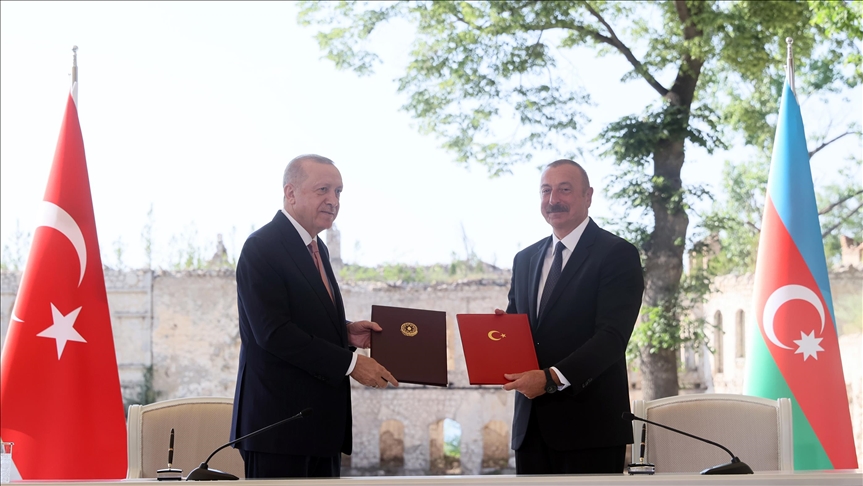
The declaration, described as “a roadmap for the future of our relations” by President Erdogan, is essentially a continuation of the two states’ efforts to maintain their bilateral activities following the Second Karabakh War.

Turkey is poking at Russia’s underbelly to the north and north-east where it seeks to undermine Russia’s position through occasional projections of military and economic power.
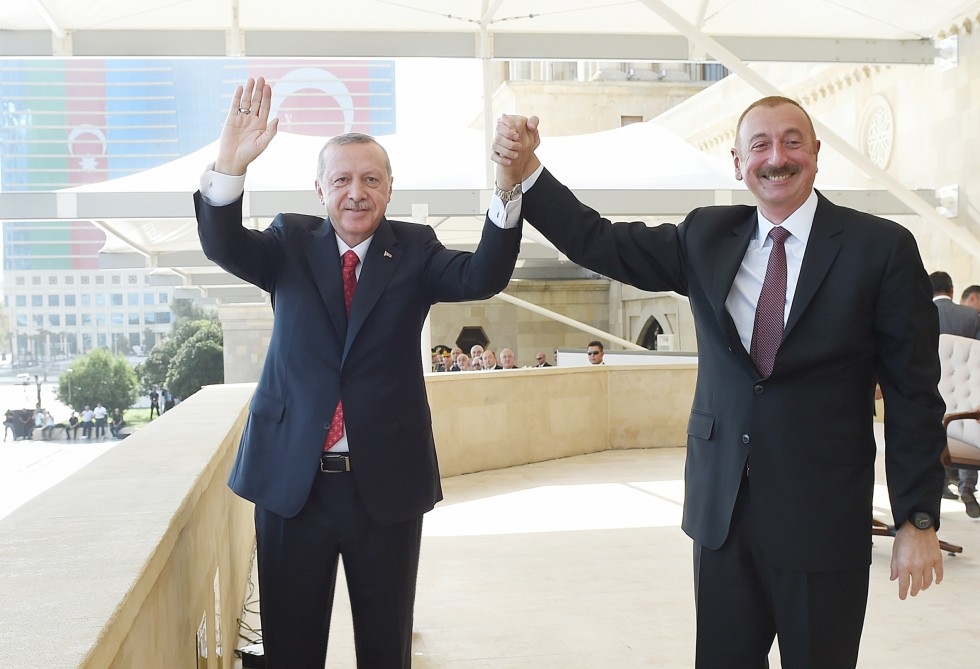
Turkey is poking at Russia’s underbelly to the north and north-east where it seeks to undermine Russia’s position through occasional projections of military and economic power.
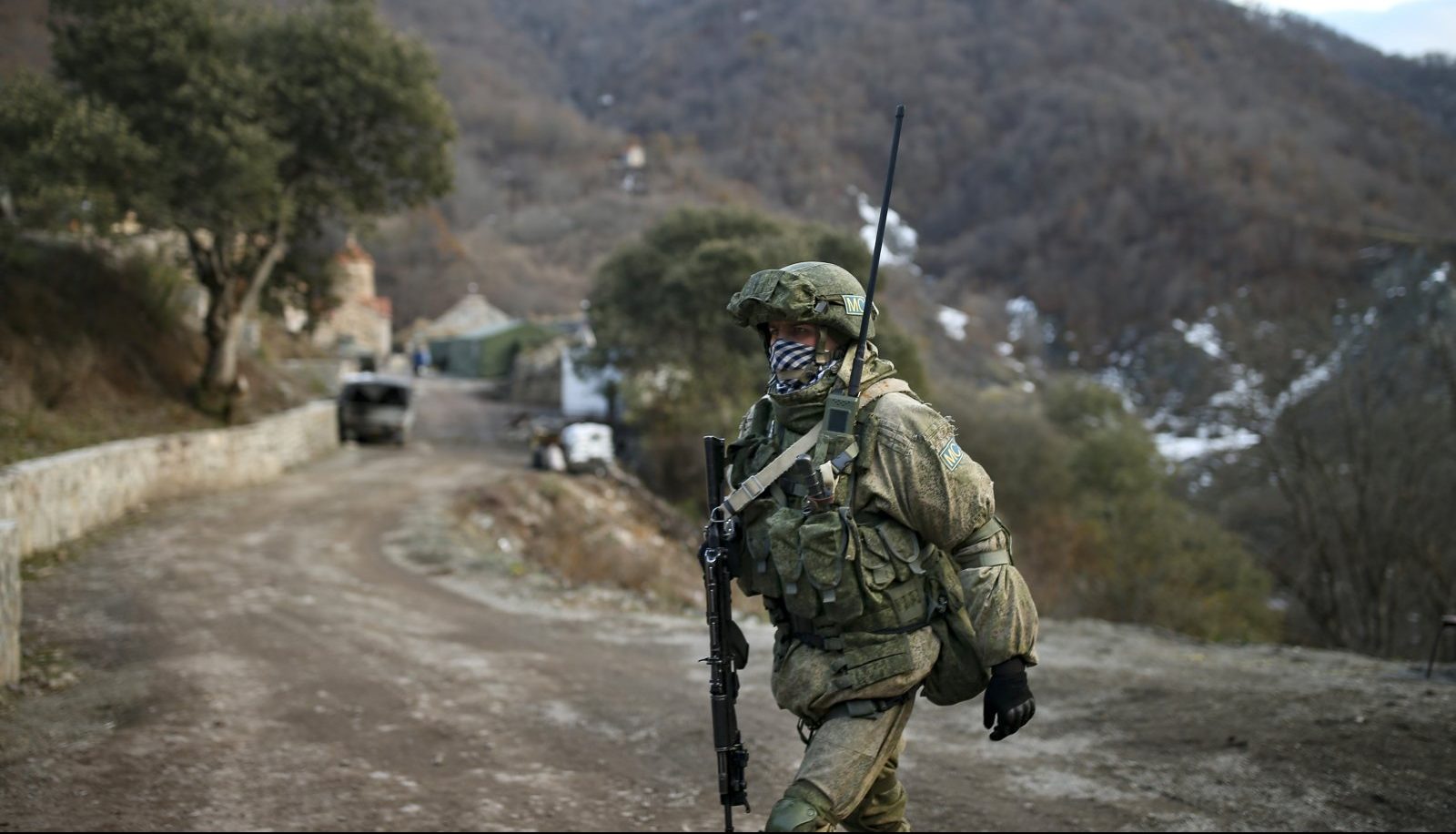
Azerbaijani lawmakers thanked Turkey’s support against Armenian black propaganda during the 44-daylong Nagorno-Karabakh crisis, as they said it was crucial to change the global perspective about the conflict.
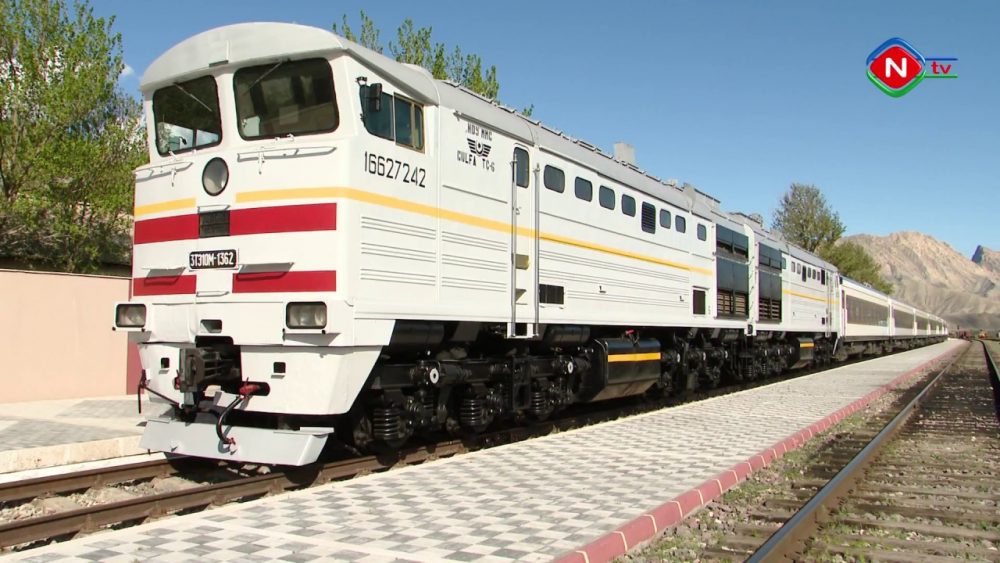
The unblocking of the Zangezur corridor will have wide-ranging geopolitical reverberations for both the directly concerned states, Armenia and Azerbaijan, and surrounding countries. For Azerbaijan, the reopening of the corridor has geostrategic significance in multiple domains.

Although the collapse of the USSR ended the Cold War, the rivalry between the Western world and Russia, which occasionally reached the point of hostility, is still ongoing. In different regions of the world, these global powers compete with each other for influence. If in 2010-2020, the rivalry in the Middle East was associated with wars, after 2020 the main arena of this rivalry moved to the Central Asian region.

Turkey’s communications director said on Sunday that international organizations, particularly UNESCO, need to look at Karabakh without being hypocritical.
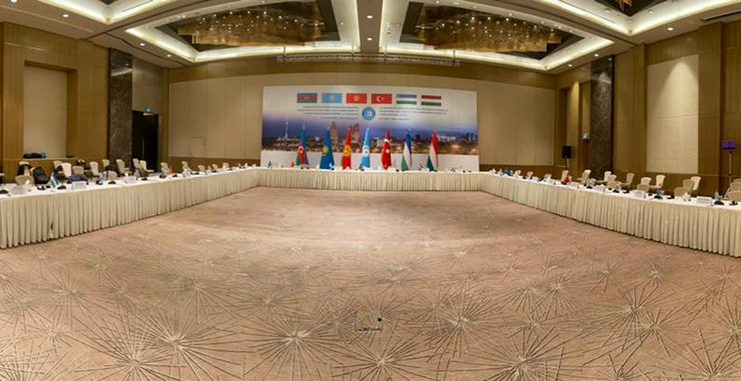
Unity in Turkic world essential in face of existing, emerging threats, says Turkey's communications director.
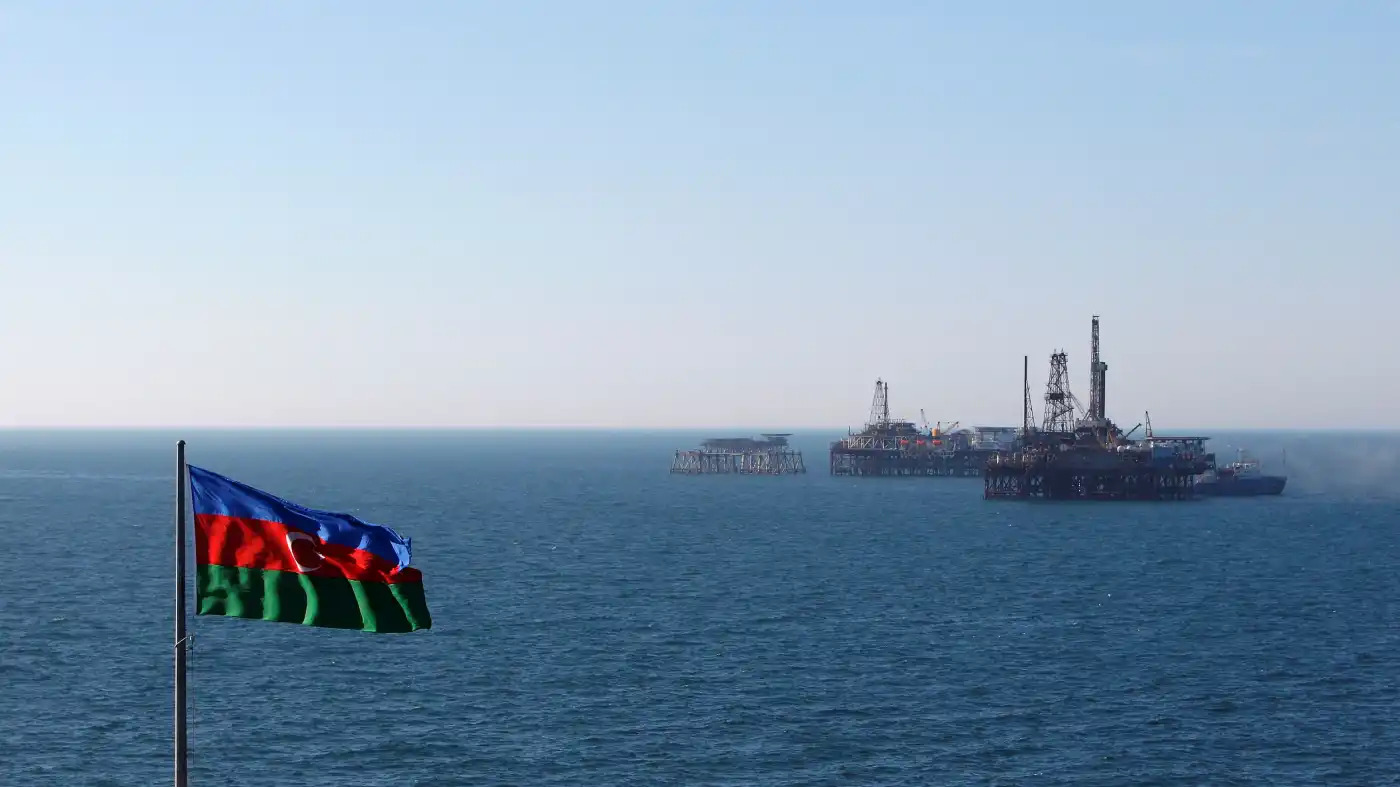
In a virtual summit late last month of the Cooperation Council of Turkic-Speaking States, also known as the Turkic Council, Turkish President Recep Tayyip Erdogan argued for formally upgrading the

Discrimination in the distribution of vaccines is disappointing, President of the Republic of Azerbaijan Ilham Aliyev said during a meeting with Director-General of the Organization Tedros Adhanom Ghebreyesus in the format of a videoconference.

Turkey’s support for Azerbaijan in its latest war with Armenia could have much greater ramifications, with Turkey using Azerbaijan’s geographic position as a springboard to reach out to Central Asia.