
The situation in the "area of irresponsibility" of the Russian peacekeeping forces is getting heated, and the proof of it is another incident involving guns in Khankendi.

The situation in the "area of irresponsibility" of the Russian peacekeeping forces is getting heated, and the proof of it is another incident involving guns in Khankendi.

At the backdrop of the war in Ukraine, an unlikely peace process is taking shape to normalize relations between Armenia and its neighbors Azerbaijan and Turkey, David Ignatius, The Washington Post columnist covering foreign affairs, says in his latest op-ed.

On May 7, Azerbaijan denied Russia’s claim that it hosts foreign-financed labs to research biological weapons, a propaganda claim that Russia has also aimed at Ukraine.

It is a response to Azerbaijan’s earlier five-point proposal, but the secrecy around it has only increased suspicion among Armenians.
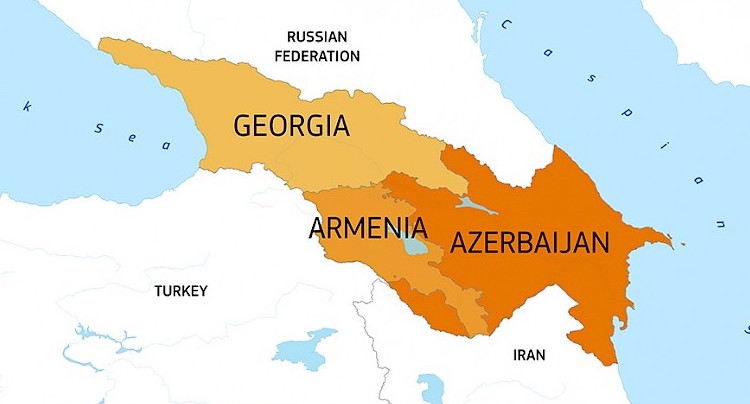
While the Kremlin is busy in the west, developments to the south promise further threats to its aggressive policy in the borderlands.
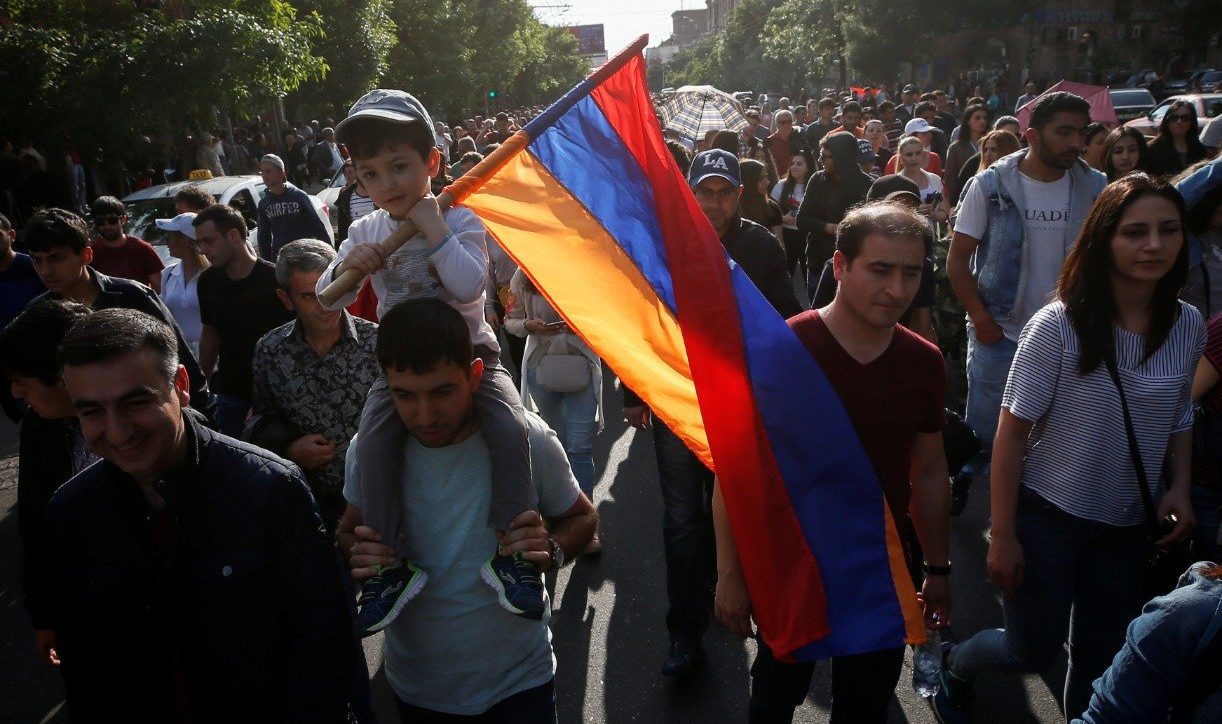
The Armenian public demands that the authorities take real steps towards peace and renounce their claims to Azerbaijani lands.

During the war, the situation was confusing in general, not only in Shusha. Incorrect information was reported from various places.

Wheat is one war-caused problem, but Azerbaijan has plentiful oil deposits and Israel already gets 40% of its oil from that ally.
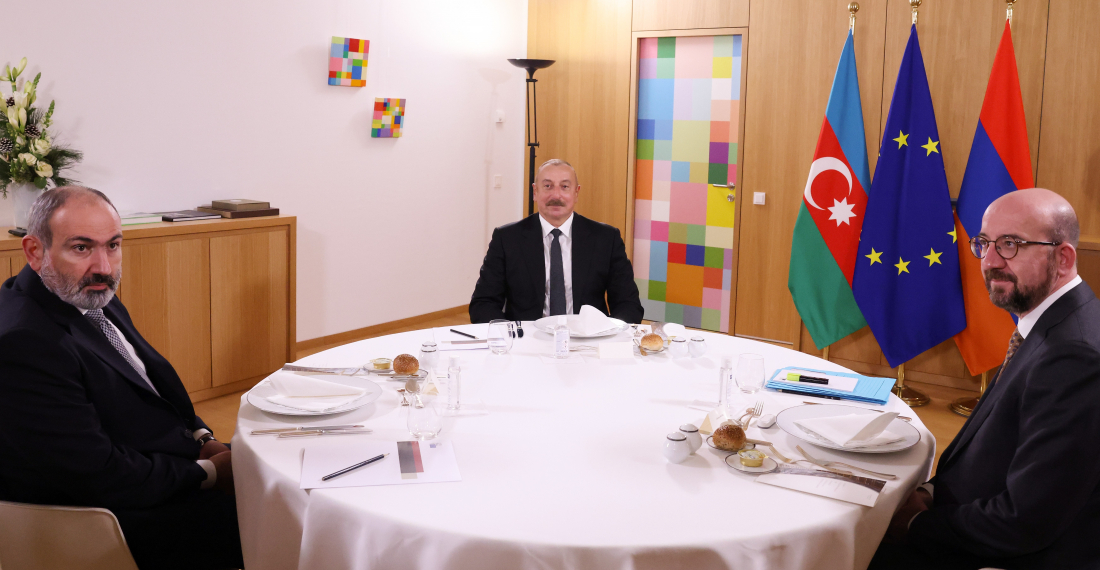
Constructive developments in negotiations for peace between Armenia and Azerbaijan, particularly those mediated by the European Union, have produced a further radicalization of the opponents of such a peace.

We believe that warmongering political parties no longer have a place in Armenia, because the harmful era when the Karabakh issue was misused as a means for regime change has ended.

The central Asian country is seeking to upgrade its existing energy infrastructure to export more gas to Europe, its energy minister says.

Secretary of the Security Council of Armenia Armen Grigoryan blatantly violated diplomatic decorum: not only did he essentially reveal the subject of the closed-door talks with the authorized representative of the Azerbaijani government, Assistant to the President Hikmet Hajiyev in Brussels, he also deliberately distorted the nature of the talks.
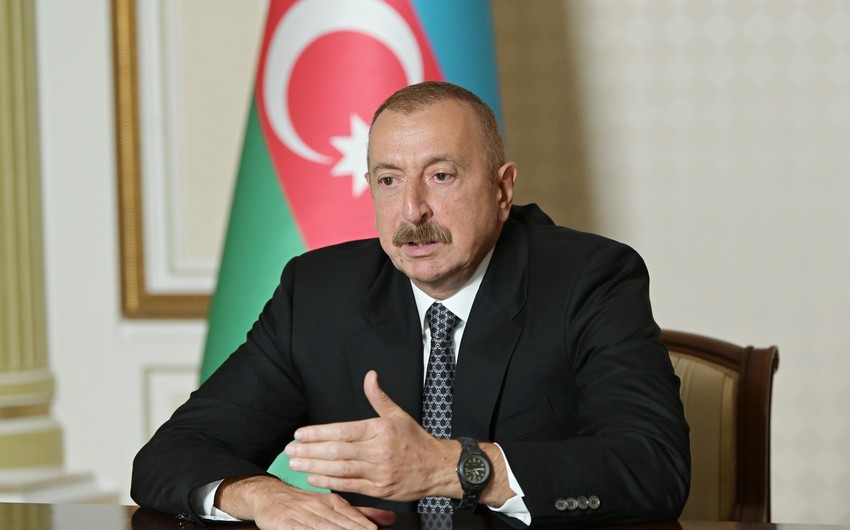
On April 29, Ilham Aliyev, the President of Azerbaijan, became the first post-Soviet leader to publicly distance himself from Russia’s invasion of Ukraine. It is the most recent and clearest example of how Russia’s southern neighbors gradually are carving out a more independent stance on the current war.

For Azerbaijan to meet gas demand in the Balkans, billions in new investments – and patience – will be required.
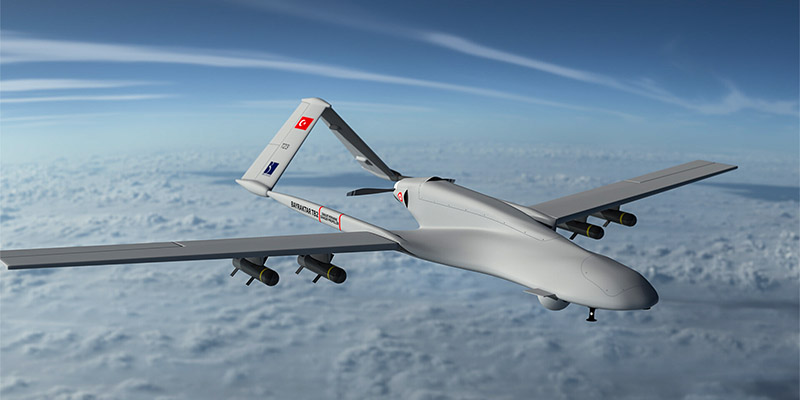
Since the very first days of the Russian invasion of Ukraine, Turkey has become one of the conflict’s central actors. Ankara has explicitly criticized Moscow, closed the Bosporus and the Dardanelles to warships, and has kept providing essential political and military aid to Ukraine.

The West encourages Armenia's permissiveness. Armenia is allowed what no other state in the world is allowed.

Anti-Azerbaijan propaganda campaigns in Russia are another concern; some individuals have openly discussed the possibility of “a tactical nuclear missile attack” against Baku.

One has to wonder why the opposition is raging in the streets if it recognizes the new reality in the region. The answer is actually quite simple.

‘Frozen conflicts’ in Georgia and between Armenia and Azerbaijan could relapse into violence, but there is also an opening for a diplomatic reset.

Turkey and Armenia's third round of rapprochement talks have produced little of substance as Armenians protested by in the thousands and called for Prime Minister Nikol Pashinyan to resign.

Convulsing in a fit of hysteria, the Armenian National Committee of America (ANCA) keeps trying to pressure the US government, including Biden, to reduce aid to Azerbaijan, but increase it for Armenia and the fictional, non-existent "Artsakh".

The street movement unleashed by the revanchists in Armenia to overthrow Prime Minister Nikol Pashinyan, according to its organizers, has been in its "crucial phase" for three days now.

In early April, high-level Italian and French delegations traveled separately to Azerbaijan to discuss cooperation in the energy sector, including natural gas exports and “green” electricity generated from Caspian-basin wind.

Since late September 2021, when Iran-Azerbaijan relations hit a low point, Tehran and Baku have engaged in a process of de-escalation.


