
Turkey is poking at Russia’s underbelly to the north and north-east where it seeks to undermine Russia’s position through occasional projections of military and economic power.

Turkey is poking at Russia’s underbelly to the north and north-east where it seeks to undermine Russia’s position through occasional projections of military and economic power.

Every year, as April 24 draws near, hasty preparations are made in Turkey to counter what the countries with strong Armenian communities will do to commemorate the day. This date is the anniversary of the relocation in 1915 of Armenians living in the eastern Ottoman provinces.

Blaming Turkey or Azerbaijan would be tantamount to blaming Italy for what the Roman Empire did to the people of Judea, or blaming Germany and Austria for the persecution of Ashkenazi Jews during the Renaissance.

The Nagorno-Karabakh conflict has sunk into oblivion. There is no more such conflict and if someone thinks that this conflict continues, he is wrong. And Azerbaijan has no plans to use force in the territory of compact settlement of Armenians in Karabakh.
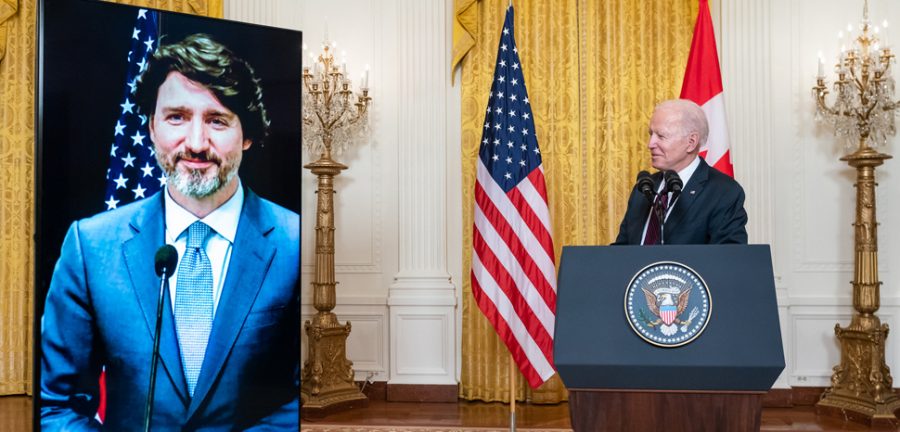
North America ganged up on fellow NATO member Turkey in April. US President Joe Biden’s decision to recognize the 1915 massacres of Armenians as a ‘genocide’ came only two weeks after Canada banned the sale of military technology to Turkey which it had used in drones it sold to Azerbaijan.
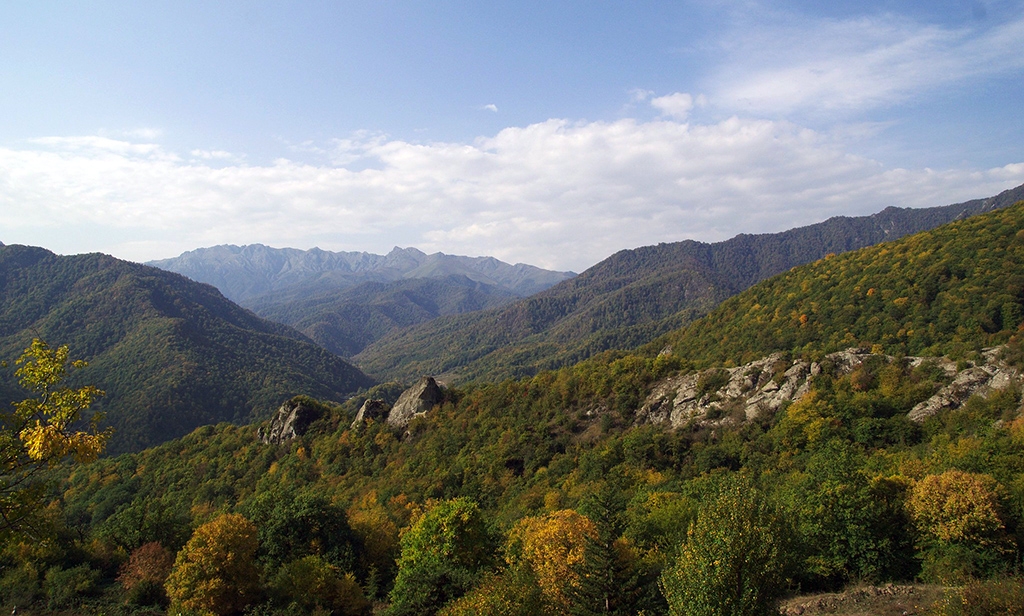
After the war, a number of new grassroots initiatives have emerged bringing together Armenians and Azerbaijanis who want to try to build, or rebuild, ties. Post-War Report.

Biden’s use of the term 'genocide' jeopardizes regional peace while confining Armenia’s future to events that occurred over a century ago.

Baku might obtain some political dividends for joining the EEU, such as the transfer of additional Karabakh territories to Azerbaijani jurisdiction. Yet, in light of the current tensions between Baku and Moscow, Azerbaijani acquiescence to full membership looks unlikely for now.

Turkey is outraged that US President Joe Biden has called the horrific events of 1915 a genocide and denounced such a move in the harshest terms. Its closest Turkic ally, Azerbaijan, has done the same.
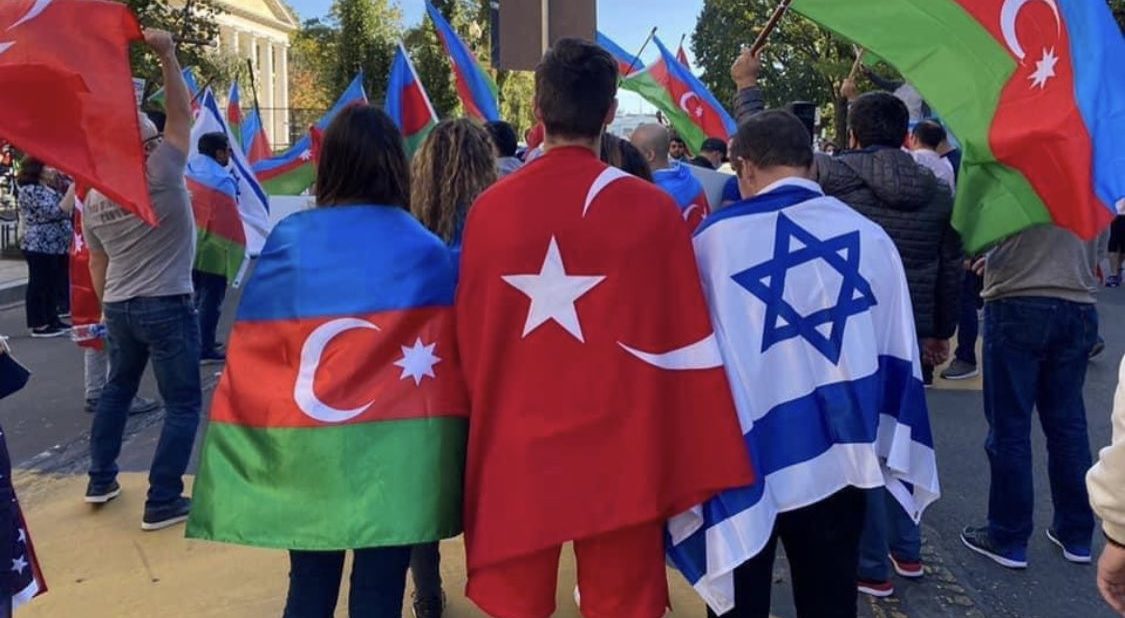
Israel, Turkey, and Azerbaijan share a common interest in restoring the Karabakh region. Republic Underground discussed the potential to build ground-up sustainable smart cities in this recent summit.

The Iskander missile system has become a central topic among the three sides responsible for maintaining the ceasefire in Nagorno-Karabakh.
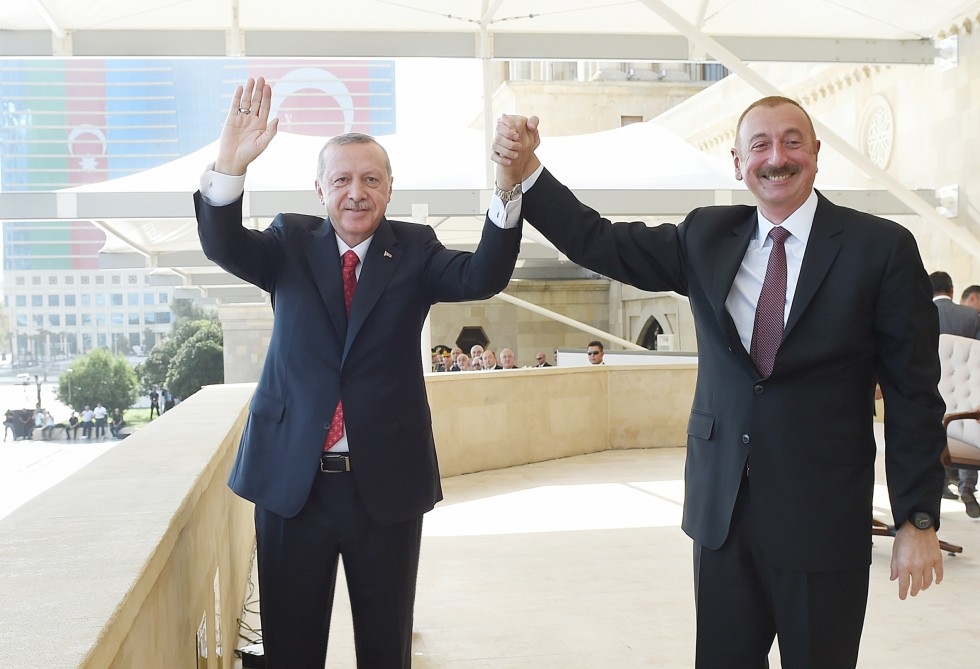
Turkey is poking at Russia’s underbelly to the north and north-east where it seeks to undermine Russia’s position through occasional projections of military and economic power.

Joe Biden had the power to influence a deescalation policy in the wake of armed conflict between Armenia and its Turkic neighbors. The policy of recognizing the narrative of WWI events rather than historical unbiased query has set a precedent for the race relations contingency throughout America, and now, through this action, the international community as well.

The opposition has been demanding his resignation since last November, after the catastrophic end of the conflict over Nagorno-Karabakh. The Syunik region, coveted by the Azeris. The Armenian premier paid a visit, but people blocked and insulted him. The Armenian priest did not allow him to enter the church.

In general, Azerbaijanis were among those respondents around the world who most often answered “I don’t know” to politics-related questions. For example, when asked about vote buying, 34% of the respondents answered "I don't know", and in this indicator, Azerbaijan ranks first among 77 countries.
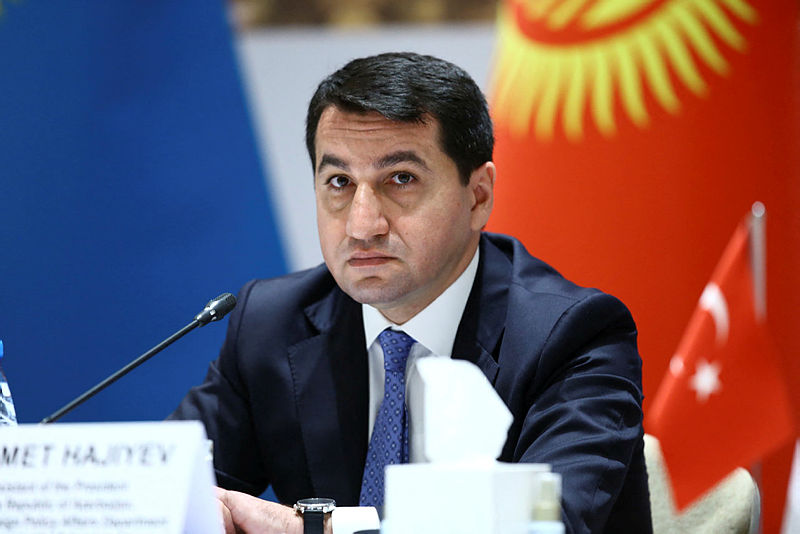
"Turkey is a sister country of Azerbaijan and Israel is our strategic partner. We want our friends to be friends with each other," Hikmet Hajiyev, one of a handful of officials in Azerbaijan truly dictating Azeri foreign policy, says.

Conflicts are subdued but complex and complicated conspiracies are still being schemed to tarnish the peace process in the new power playing filed i.e. South Caucasus Region.

Months after Azerbaijan and Armenia signed an agreement that halted the recent 44-day war in Nagorno-Karabakh, Armenian leaders continue to condemn innocent civilians to death by refusing to share maps of the minefields in the recently liberated Azerbaijani territories.

The Second Karabakh War (September 27 – November 10, 2020) between Armenia and Azerbaijan lasted 44 days, but it caused overwhelming changes in the politics of the South Caucasus that will shape the future of the region in the months and years to come.

International pressure is mounting on Azerbaijan to release the scores of Armenian prisoners it continues to hold following last year’s war. But in this new diplomatic environment, does Baku even need to worry about condemnations from foreign capitals?

Azerbaijanis are the second largest ethnic group in Georgia. Most of the Georgian Azerbaijanis live in the region of Kvemo Kartli (the municipalities of Marneuli, Bolnisi, Dmanisi and Gardabani), and in a small part in Kakheti and Shida Kartli. Azerbaijanis make up 84% of the population in Marneuli, 66% in Dmanisi, and 63% in Bolnisi, and 44% in Gardabani. According to official statistics for 2014, the total of 233,024 Azerbaijanis live in Georgia. 75% of them are Sunni Muslims and 25% are Shiites.
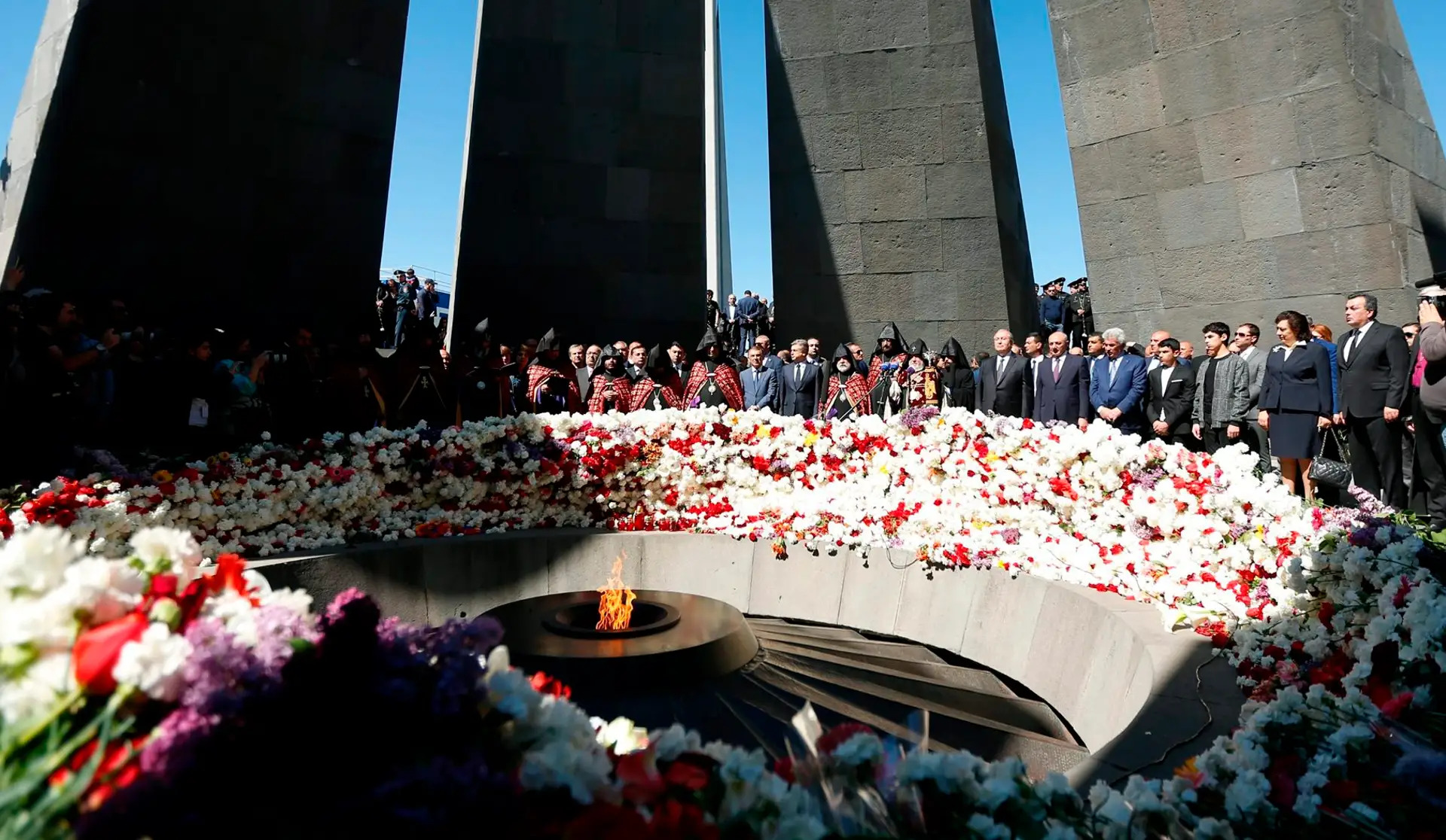
Conventional wisdom suggests the more Israel's relations with Ankara and Erdogan deteriorate, then the more likely the Knesset will recognize the Armenian genocide. There's just one problem: It's not true.

All these background issues highlight the complexity of Azerbaijani-Belarusian ties and point to the vulnerabilities of the bilateral relationship: Both Baku and Minsk feel shunned by the West to varying degrees and are simultaneously unhappy with Moscow’s stance but feel obligated to comply with Russia’s red lines.

In June, Azerbaijan announced that it was planning to buy Turkish-made armed drones. “Efforts in this direction are continuing. Now we are having results,” said Azerbaijan’s Defense Minister Zakir Hasanov. In the same month, the Azeri parliament approved a bill to receive financial assistance from Turkey to be used for the purchase of weapons systems.


