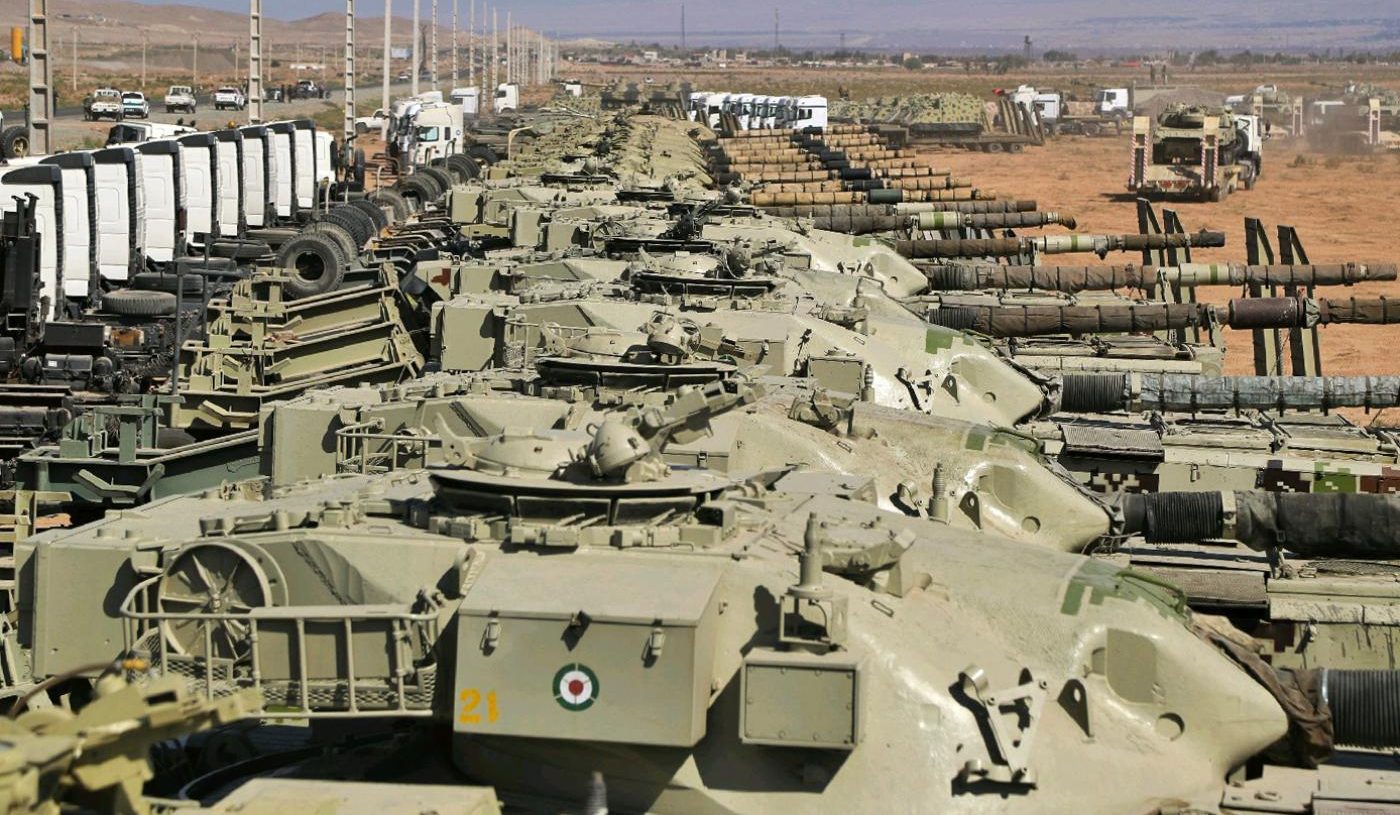
Tensions between Azerbaijan and Iran are running high over allegations of Israeli military presence, with more military drills planned.

Tensions between Azerbaijan and Iran are running high over allegations of Israeli military presence, with more military drills planned.

The Iranian army recently held massive military exercises near its border with Azerbaijan. These drills come against the backdrop of escalating disputes between the two neighbors after Baku imposed tariffs on Iranian trucks crossing the border and heading to Karabakh.

Events are moving quite quickly in the South Caucasus, although they have not yet reached a breakthrough. Nevertheless, the first anniversary of the outbreak Second Karabakh War provides an opportunity to evaluate at least some of the new phenomena.
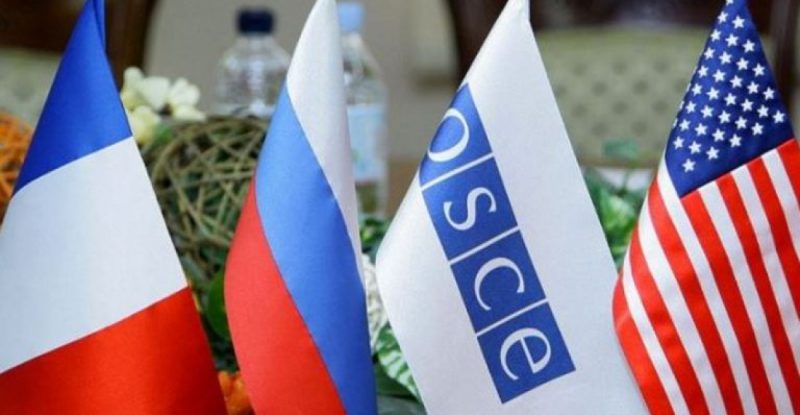
A year ago today, the conflict between Armenia and Azerbaijan intensified into war. There were many reasons for that, but among the most important were Yerevan’s unexpectedly hard line, the expanding role of Turkey, and the failure of the Minsk Co-Chair countries to focus on the South Caucasus, Sergey Markedonov says.

Tensions spiked between Azerbaijan and Iran recently surrounding trade with Armenia and military exercises in the region.

Tehran is not happy about Azerbaijan’s victory in the disputed Nagorno-Karabakh against Armenia. And Baku’s restrictions on Iranian trucks entering the region escalated tensions between the neighbours.

Tensions have increased between Iran and Azerbaijan in the past few weeks. However, relations between the two neighbours were unstable even earlier, especially following the war between Azerbaijan and Armenia last autumn.

The 44-Day War and therein the liberation of the occupied territories of Azerbaijan have brought about various opportunities for regional co-operation, peace and development in the South Caucasus.

Although steps have been taken to find lasting peace in the South Caucasus region, more can be done by the EU to support its eastern partners, argues Parviz Yarmammad.

Azerbaijan’s relations with Iran, its large neighbor to the south, have been in flux since the end of last year’s war with Armenia. The most recent rocky period began when Azerbaijan began charging fees to Iranian trucks on a road through southern Armenia that passes through slices of Azerbaijani territory in some places.

The Second Karabakh War between Azerbaijan and Armenia that occurred on September 27 and ended on November 10, 2020 changed the geopolitical landscape of the South Caucasus. The long-lasting Armenian-Azerbaijan conflict was a major challenge to regional economic integration and security.

On Sept. 27, 2020, stalemate over Nagorno-Karabakh turned into a military conflict between Azerbaijan and Armenia. For a long time, relations between Armenia and Azerbaijan had been tense over this territory, which is recognized internationally as a part of Azerbaijan but has been occupied by Armenians since 1994.

2021 is a lousy year for proponents of multilateralism. NATO’s mission in Afghanistan collapsed into uncontrolled chaos. Despite renewed efforts to resolve the conflict under UN auspices, Yemen remains the world’s worst humanitarian crisis.

The ceasefire Russian president Vladimir Putin brokered between the Armenian and Azerbaijani leaders in November 2020 may have stopped full-blown fighting between the two European states, but it has not stopped their militaries from crossing the border into each other’s territory.
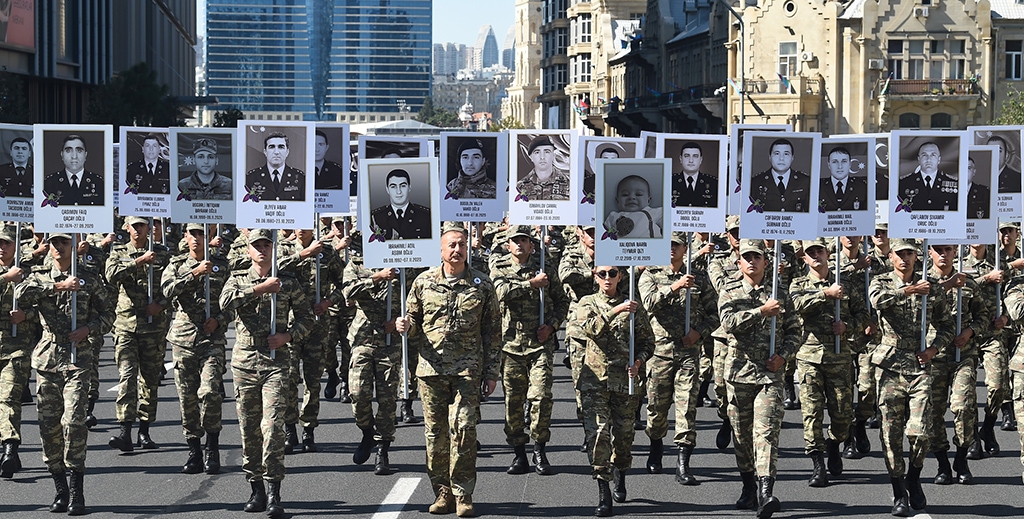
A year after the outbreak of war between Azerbaijan and Armenia, the two countries commemorated those who were killed in the fighting.

In spite of ascendant political ties between the two allies, the apparent temporary nature of the new agreement speaks to their differing economic priorities.
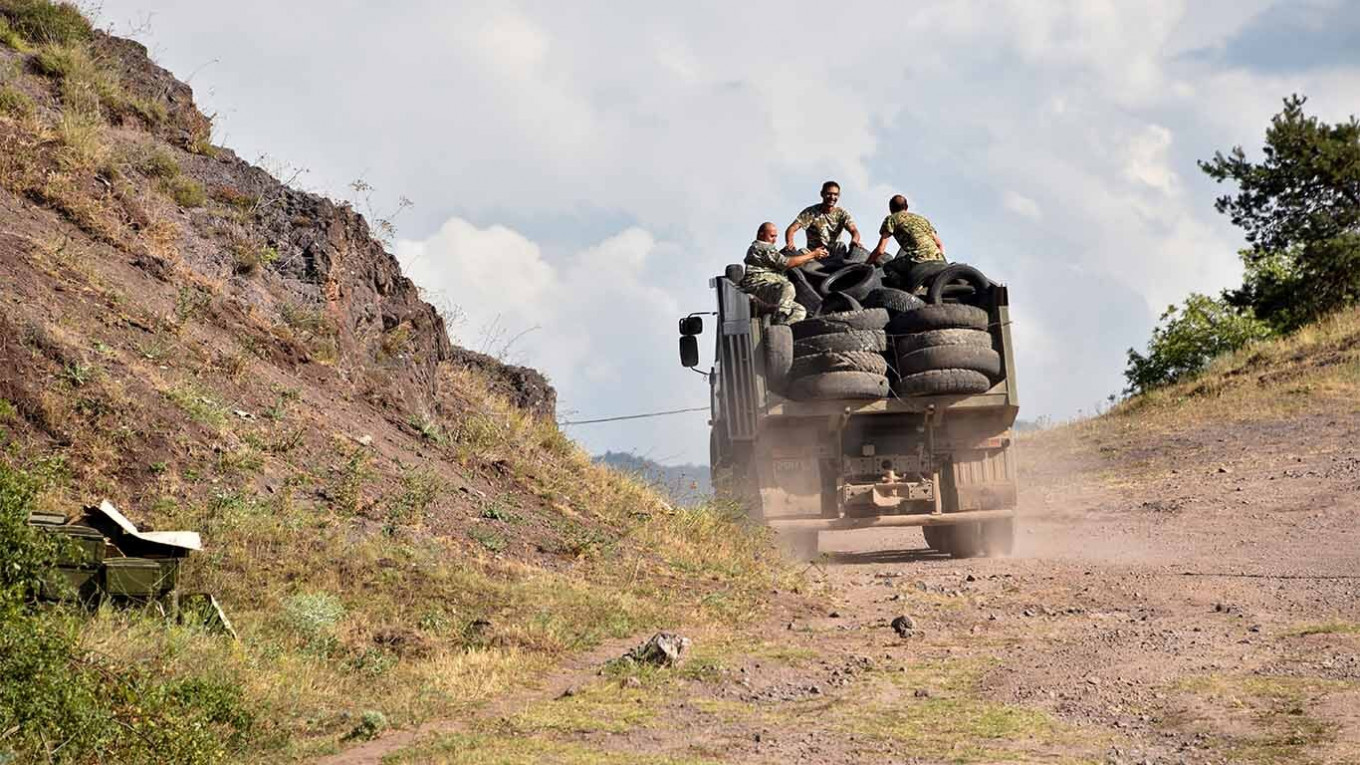
Iran and Russia are on collaborative maneuvers once again. This time it’s in the South Caucasus: both are deliberately derailing ongoing peace talks between Azerbaijan and Armenia over the region of Karabakh.

A case filed by Armenia against Azerbaijan in the International Court of Justice could have significant implications for the conflict. And it carries risks for both Armenia and Azerbaijan.

A broad range of strategic, economic and cultural ties between Azerbaijan and Russia create an illusion of quite stable bilateral relations between the states.

After nearly three decades with no relations and a closed border, the two countries’ leaders sound more hopeful than they have in years. Armenian Prime Minister Nikol Pashinyan recently said that Yerevan has been receiving “positive public signals” from Turkey.
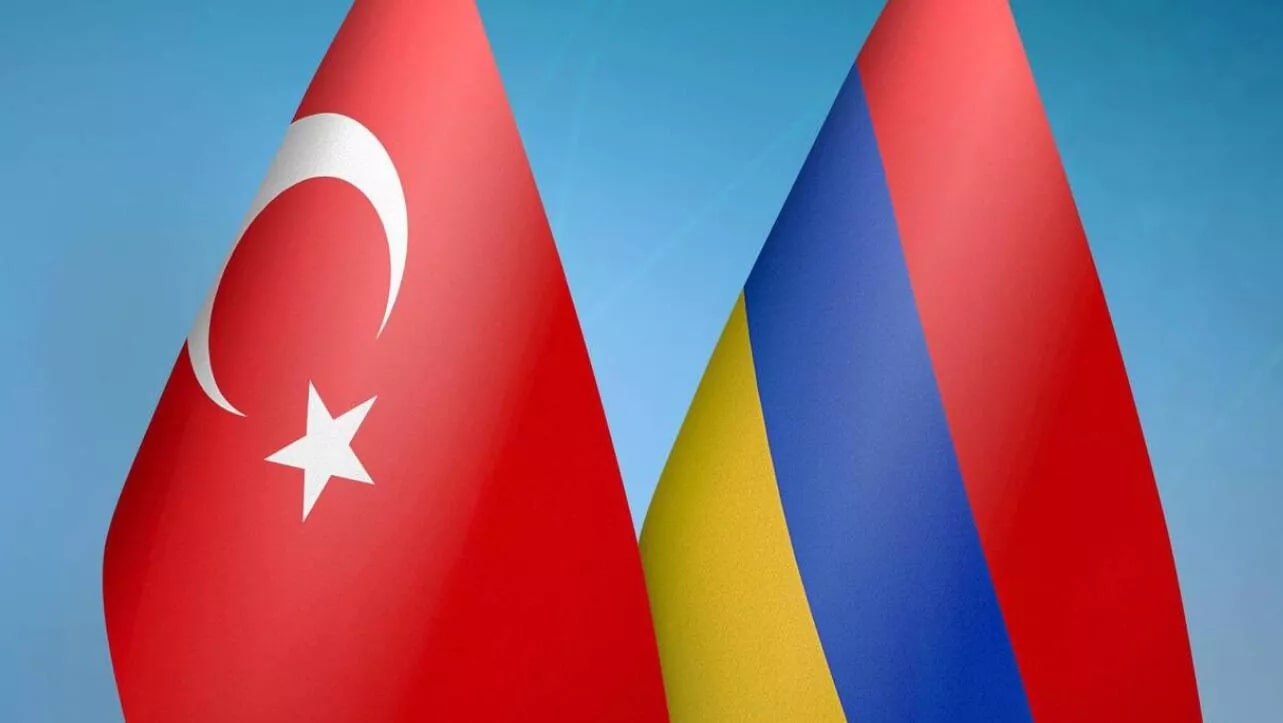
Rumors of a breakthrough in Turkish-Armenian relations have no basis in fact. Turkey and Armenia cannot undertake a normalization of their relations without including Azerbaijan.

Armenia, the historian believes, will survive despite the efforts of its former leaders to bury it by dragging the country into expansionist schemes.

The Azerbaijani government has been undertaking a campaign against corrupt officials for nearly two years now, but in a series of recent hearings the accused say they have been set up.
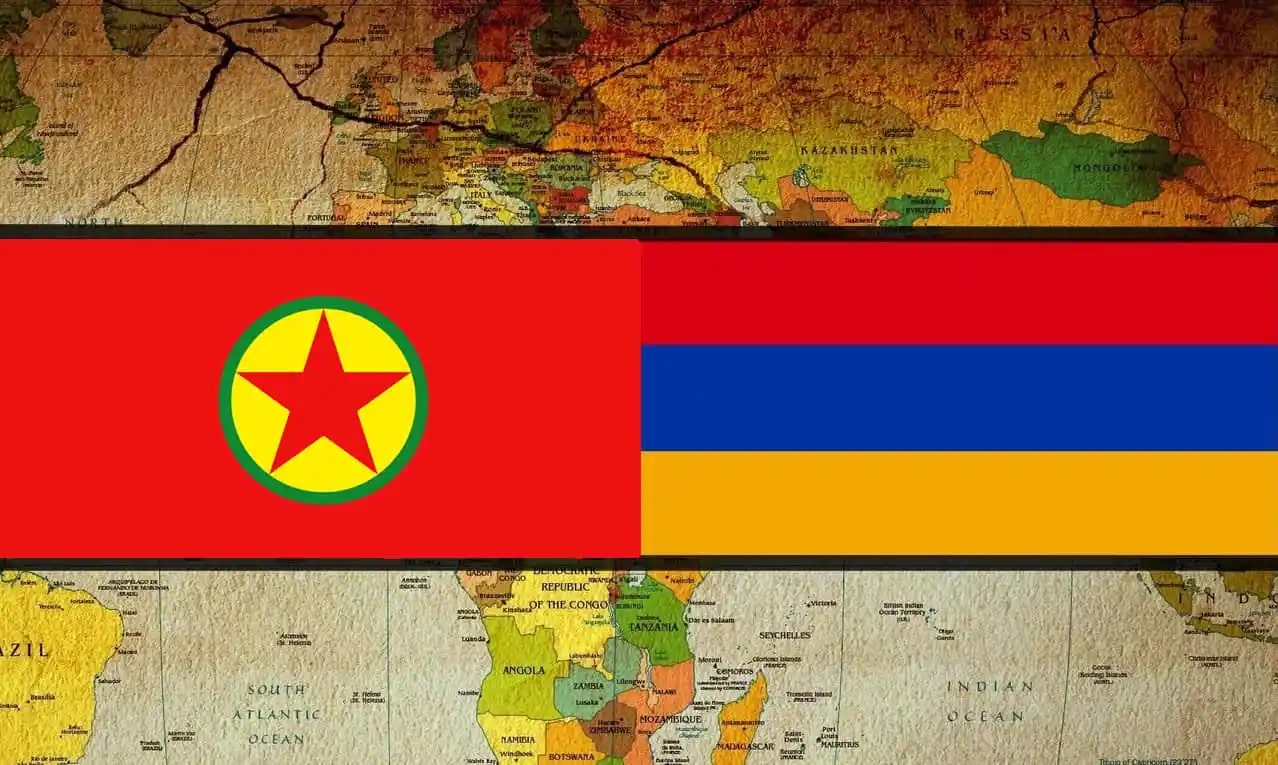
Cooperation between the Kurdistan Workers’ Party and Armenia had strengthened by the 1960s, though the beginnings of a close alliance between Kurdish nationalists and Armenian Dashnaks dates back to the early 20th century.


