The resolution of the Armenian-Azerbaijani conflict and the de-occupation of the territories of the Republic of Azerbaijan have changed the geopolitical alignment in the region, opening up new opportunities for the development of cooperation.
What exactly triggered the most dramatic military escalation between Armenia and Azerbaijan since the end of the Second Karabakh War?
What is the reason for the population’s and businesses’ growing dollar demand? To what extent is it affected by the depreciation of the national currency in neighboring countries, especially in Turkey? Can devaluation expectations in Azerbaijan lead to an increase in the dollar demand?
The conflict over Nagorno-Karabakh has shown the world the anachronistic nature of the problems faced by the politicians, armies and citizens of Armenia and Azerbaijan.
Azerbaijani presidential aide Hikmet Hajiyev said: “Turkey is a sister country of Azerbaijan and Israel is our strategic partner. We want our friends to be friends with each other. If the sides agree to such an initiative, then Azerbaijan will always welcome them.”
On November 26, the leaders of Armenia and Azerbaijan met for the second time since the end of the Second Karabakh War (September 27–November 9, 2020).
The news of the crash of a military helicopter belonging to the State Border Service of Azerbaijan and the resulting death of 14 and injury of 2 SBS officers shocked the Azerbaijani public.
Iran has entered a gas swap agreement with Turkmenistan and Azerbaijan on Sunday on the sidelines of the 15th meeting of the Economic Cooperation Organization.
The trilateral meeting between the leaders of Armenia, Azerbaijan and Russia, held in Sochi on 26 November, "was a constructive stage in the post-war peace process in the region and has opened up new prospects for peace and reconciliation between Armenia and Azerbaijan" says Vasif Huseynov in this op-ed.
The South Caucasus region is still far from stability and peace a year after the Second Karabakh war. The changed regional balance of power indicates the increased role of Russia, the emerging presence of Turkey and persistence of Iran.
Turkey is facing a severe economic crisis these days, with a 15% devaluation of the Lira against the US dollar in just 24 hours.
Russian President Vladimir Putin has hosted talks with Armenia and Azerbaijan, on the anniversary of a peace deal ending a conflict between the two neighbours over a separatist region.
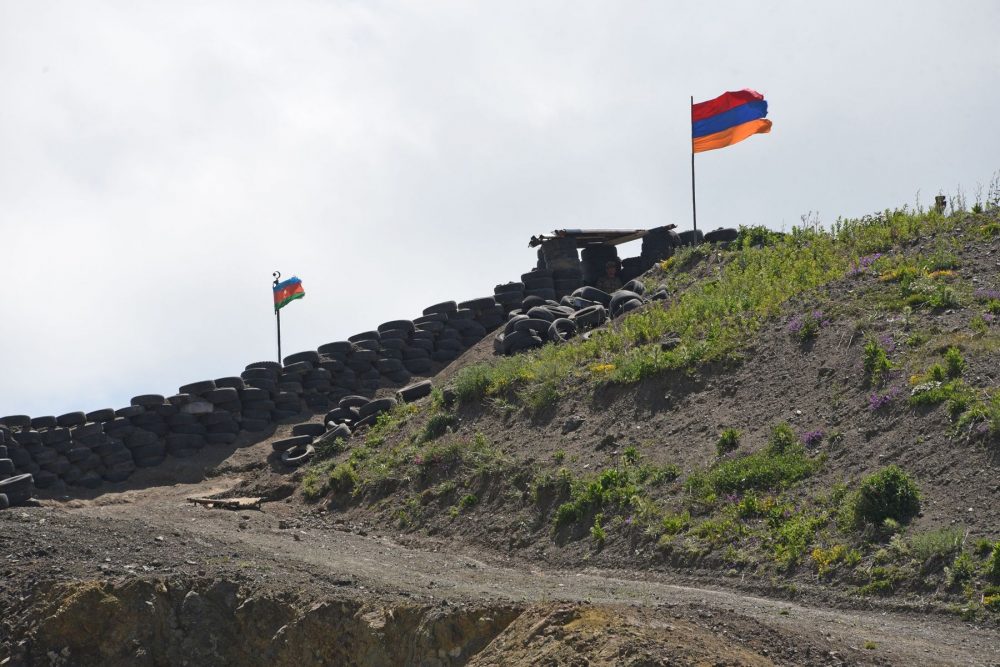
On November 9 a year ago, the war between Azerbaijan and Armenia in Nagorno Karabakh came to a halt with the deployment of Russian peacekeepers to the area. In the twelve months since, however, there has been scant sign of a lasting political solution.
Armenian prime minister Nikol Pashinyan and Azerbaijani President Ilham Aliyev, will meet twice over the next three weeks.
A trilateral meeting between Armenia, Azerbaijan and Russia should take place tomorrow, November 26, in the Russian tourist resort of Sochi. At the center of the diplomatic initiative the possible agreements between the two warring countries. However, the information is still scarce.
Spearheading efforts to increase strategic connectivity and trade turnover, Beijing has provided sizable funds for transit infrastructure, digital infrastructure, and other projects in Azerbaijan, Armenia, and Georgia.
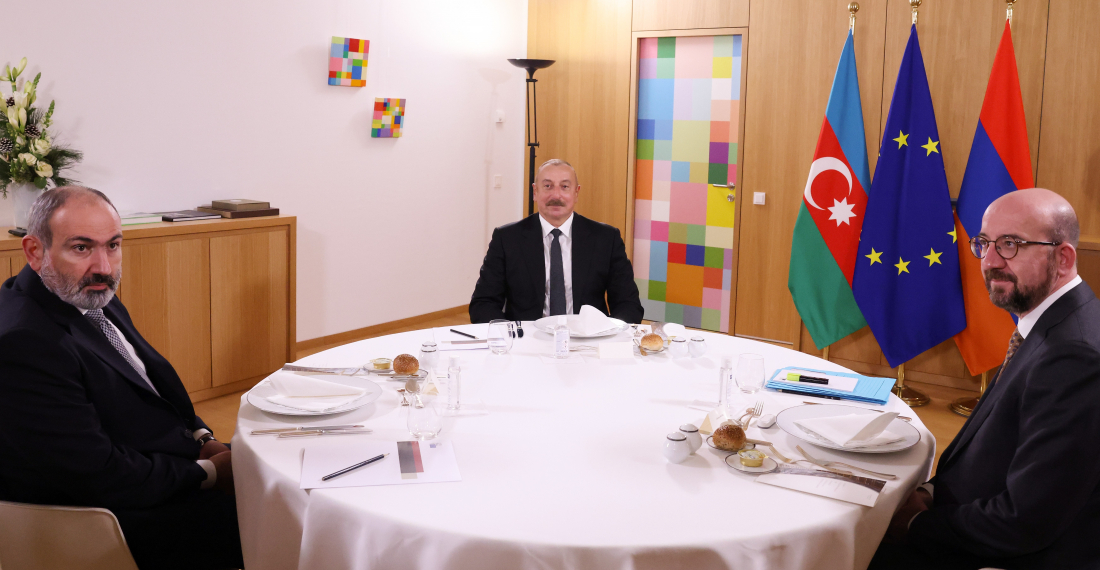
Charles Michel, the President of the European Council, announced on November 19 that in the margin of the Eastern Partnership Summit to be held in Brussels on December 15, there would be a meeting between Azerbaijan’s President Ilham Aliyev and Armenia’s Prime Minister Nikol Pashinyan.
When reviewing the list of invitees, which includes a total of 109 countries, controversial questions regarding the selection criteria spring to mind.
Iran is putting on a brave face here because the Arab states would like Syria to pressure Iranian forces to leave.
The one-year anniversary of the end of the Second Karabakh War between Armenia and Azerbaijan passed last week. After much indifference, dithering and disinterest from the international community, Russia finally brokered a November 2020 ceasefire agreement that stopped the fighting.
On September 27, 2020, with the counter-offensive operation along the entire front Azerbaijani Army, as a countermeasure of the Armenian aggression against Azerbaijan, started the liberation of the territories, which had been occupied by Armenia in the wake of the First Karabakh War in the early 1990s.
In Istanbul, the members of the OTS called for deepening economic cooperation and praised the role of the pan-Turkic organization toward this purpose.
Baku has gained more strategic autonomy and could play a crucial role in U.S. policy toward Eurasia.
Russia is trying to govern territories it keeps under temporary or long-term control according to unwritten laws, while not attaching special importance to the norms of international law and laws of a state on whose territory its servicemen are stationed.